


After three glorious months in Cartagena, a four-day weather window opened for us to make it around the cape and all the way to Aruba. We loved our time in Cartagena, but we needed to continue our journey east so we could arrive in the Lesser Antilles by the beginning of hurricane season. Getting east from Cartagena involves sailing directly into the trade winds and the seas they generate, and the trades are fairly relentless, making weather windows few and far between — but they do pop up occasionally, and we were ready to take advantage of this one!
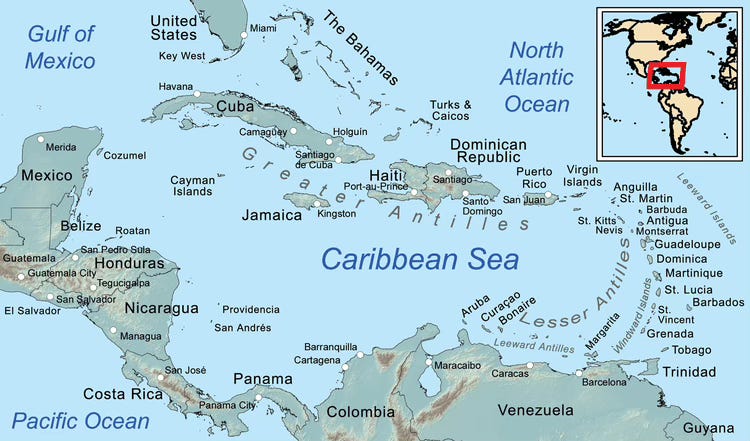
The islands in the Caribbean form a huge semi-circle, from the larger islands of Cuba, Hispaniola, Jamaica, and Puerto Rico in the north, out to the small islands forming the arc from the Virgin Islands down along Guadaloupe, Dominica, Martinique, St. Lucia, St. Vincent and the Grenadines, Grenada and Trinidad (and Tobago), then back west again along the northern coast of South America through Bonaire, Curaçao, and Aruba. They’re broken into two main groups — the larger islands in the north are the Greater Antilles, and all the smaller islands together are the Lesser Antilles. The Lesser Antilles are further broken down into the Windward Islands and the Leeward Islands — the Windwards are in the southeast, from about Martinique down to Trinidad, while the islands downwind from the Windwards are all Leeward (literally, “downwind”) from there, both moving north and west. The dominant direction of the wind is directly from the east.
The way we chose to go to the Caribbean from California is considered going backwards as we are sailing against the current, the wind, and the seas versus having it all behind us, as we would have had if we chose to head to the South Pacific instead. Once we would arrive in Grenada, we would have great sailing conditions from the trade winds blowing out of the east, enabling us to sail comfortably up and down the chain of the Lesser Antilles.
We were very excited to explore these beautiful islands. Peter and I spent a week in the British Virgin Islands on a boat we chartered with friends of mine more than 30 years ago when we first started dating. We were looking forward to returning to the beauty of these islands again, but this time with the pleasure and privilege of experiencing them on our own boat.
But first we had to say our goodbyes to our friends on Discovery Passage, Lance, Tomoko and Sakura, who were staying in Cartagena until Lance got over an infection. We were worried about leaving them behind, but we got the news before our scheduled departure that he was going to be fine with enough rest and the right amount of antibiotics which he received from the hospital and after he was cleared of infection. They planned to sail to Jamaica from Cartagena which would be less of a challenging passage than we were planning.
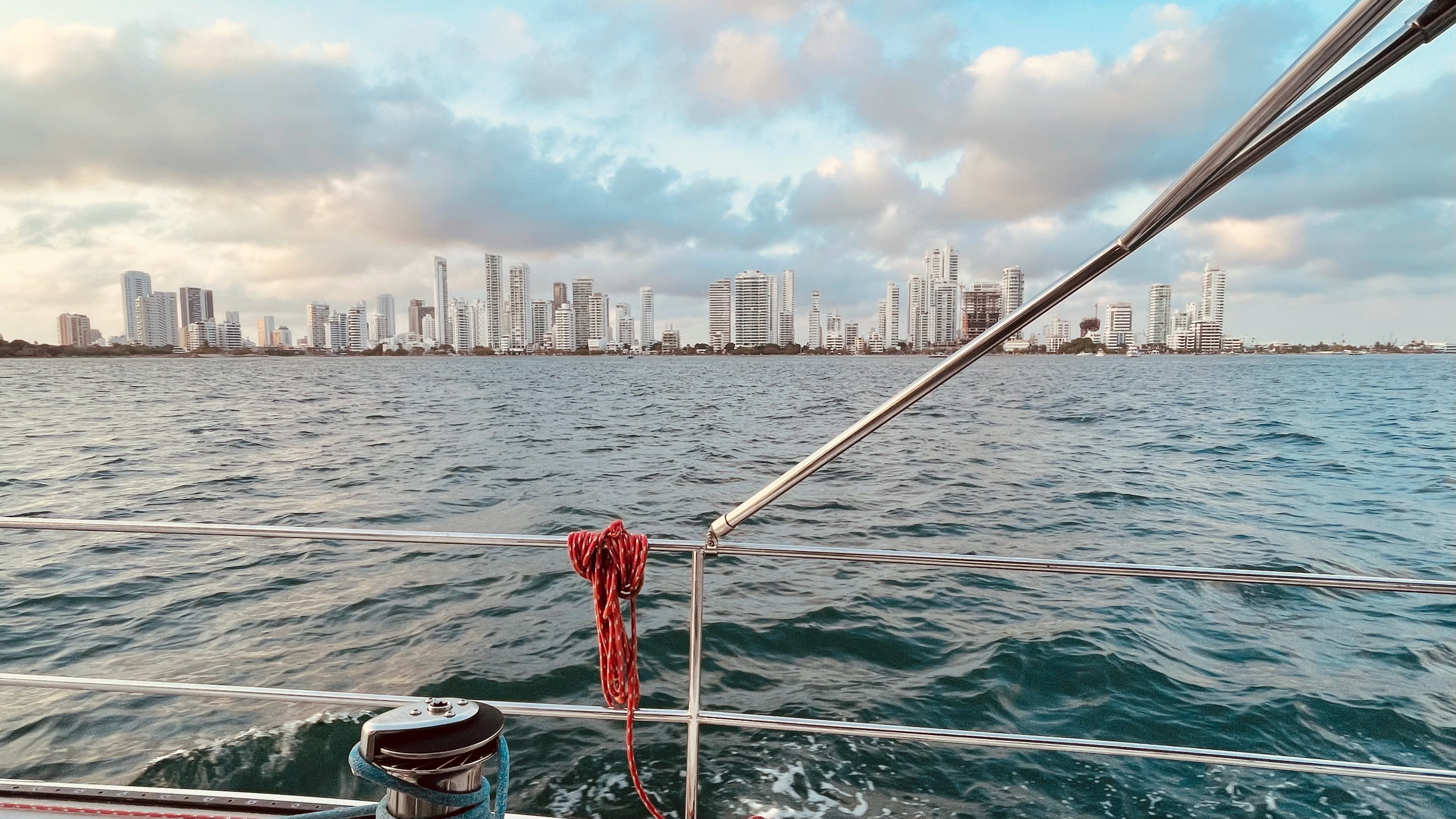
We left in the early evening and set our sails for Aruba so we could time going past Barranquilla in the morning when it was daylight. Barranquilla is located on the western bank of the large Magdalena river, with its mouth exiting into the Caribbean Sea. The river has historically served as a vital transportation route for commerce and was crucial for the development of Barranquilla as a major port city, but it’s also notorious for the debris coming out of the mouth of the river, especially after a lot of rain, which luckily was not in the forecast. Still we wanted to be sure we could see any floating tree trunks or other big pieces of debris floating on the water from the rush of the river’s flow. (We’ve heard stories about sailors seeing whole cows floating by!)
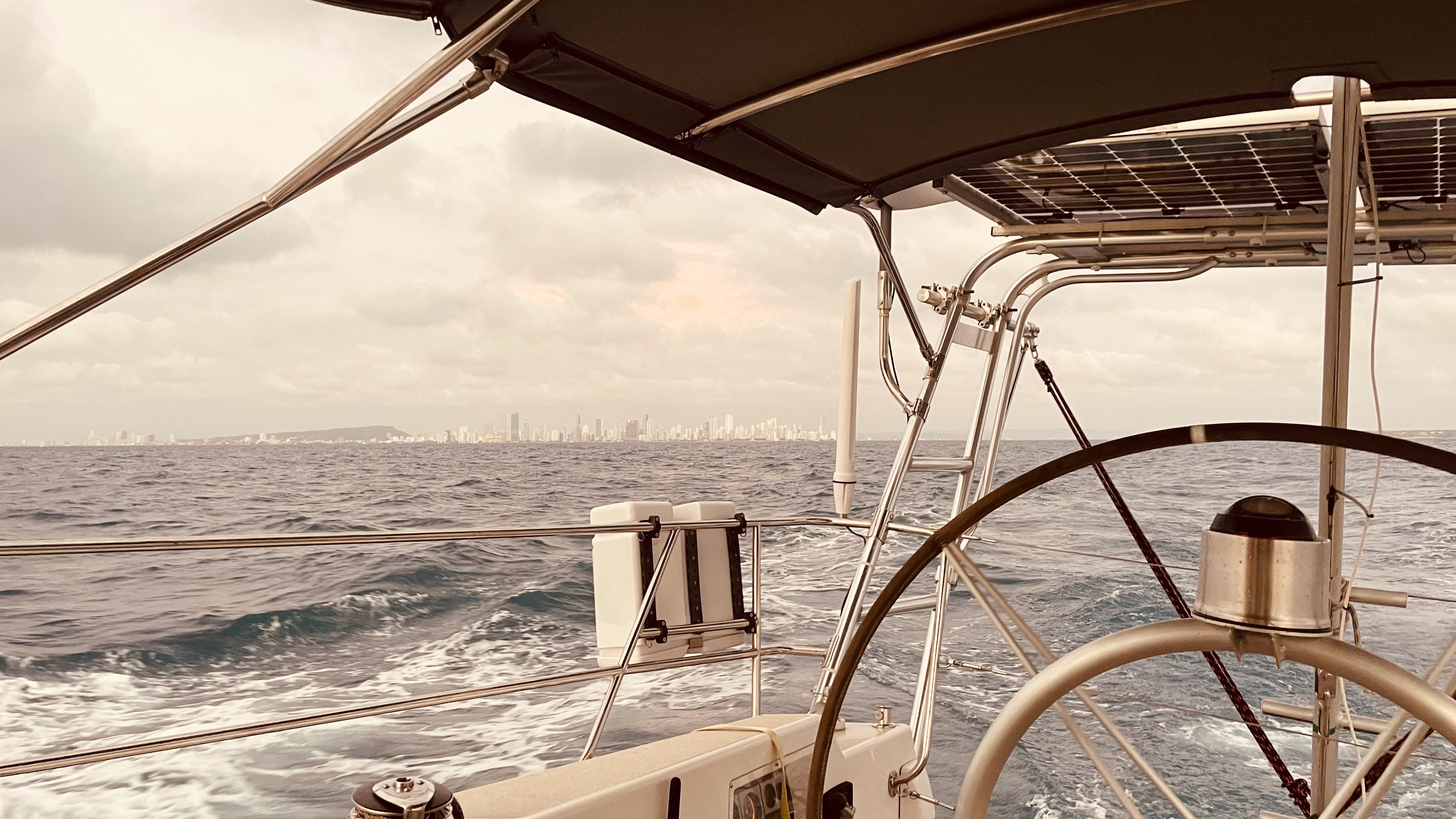
We sailed into the night with Salacia pounding into the bigger waves which were forecast to get smaller as we continued on our passage. While the sun was rising the next morning, we made it around Barranquilla without any issues. We were still quite a ways behind our buddy boat Bohemia who left a few hours before us and we heard on the radio the voices of our friends who were just departing Santa Marta. It was amazing timing to find them leaving port while we were just passing. So we all ended up sailing to Aruba together as a fleet of six buddy boats Rochambeau, X Factor, Tessorini, Wanderer, Bohemia and Salacia.
We enjoyed listening to the chatter of friends on the VHF radio about their status and any interesting sightings they encountered along the way. (No cows!) It was a welcomed alternative to social media as it was in real time and we loved hearing each other’s voices. It was also comforting to know we were not too far away from assistance if any was necessary. For example, one boat, an acquaintance of Tessorini’s, wasn’t sure they had enough fuel to get to Aruba because the fuel dock in Santa Marta ran out of fuel before they got any. There was talk on the radio about how to transfer some to them so they wouldn’t have to turn around. It ended up being more challenging than imagined so they continued forward with the hopes of the wind picking up later in the passage.
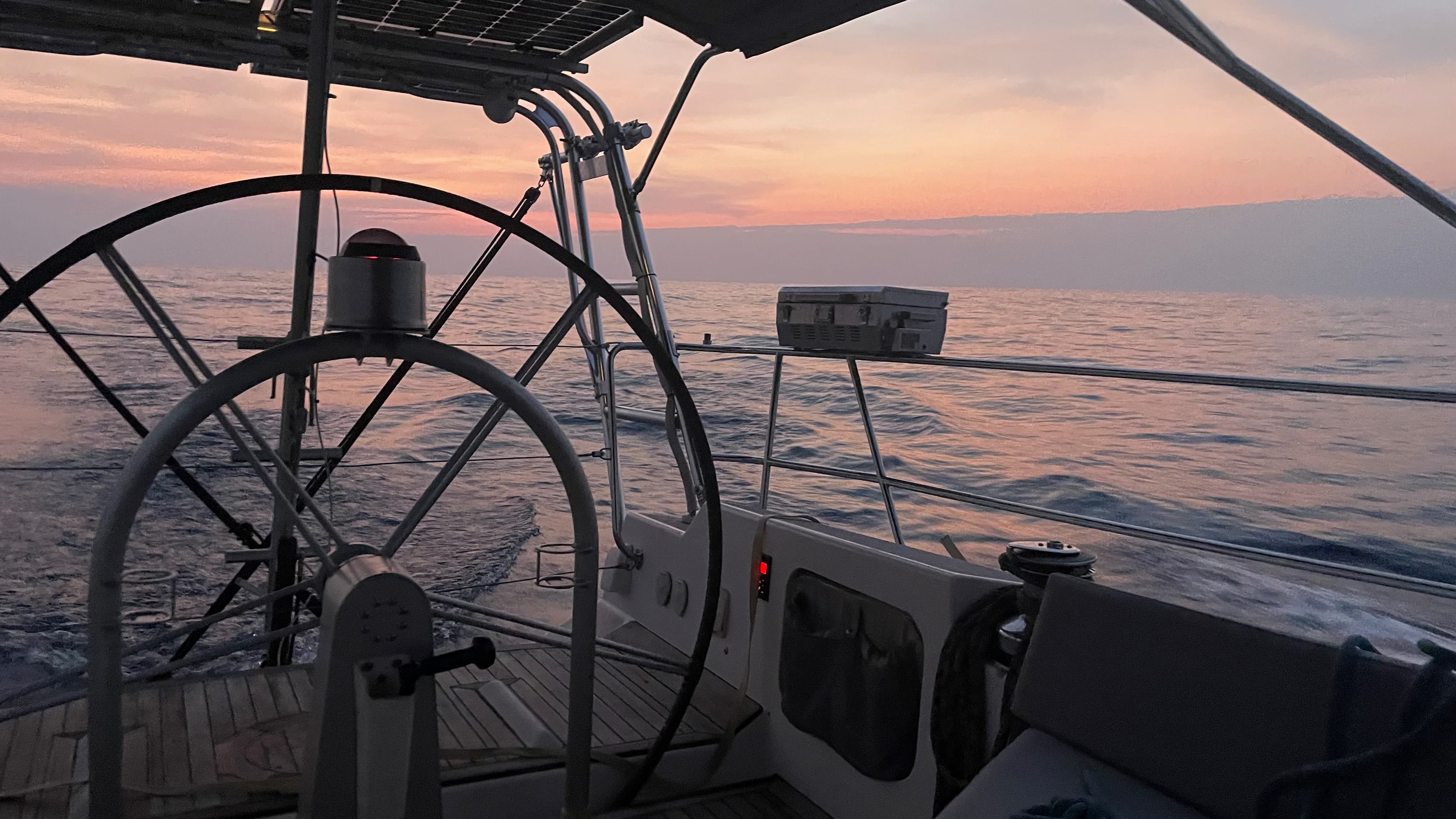
After sunset, it was very dark without moonlight, but a very calm night, and we were able to make it most of the way around the cape by morning. This notorious cape is called Cabo de la Vela in the La Guajira Peninsula. It is known for dangerous, high-wind conditions (“breaking boats and killing sailors” [ed. note: sorry Mom!]) and is the crucial turning point for turning northeast toward Aruba. This is why it is very important to only round the cape in extremely calm conditions. Salacia ended up passing the entire fleet while rounding the cape by sunrise.
The next day was also very calm, so we were mostly motor sailing, and the time slipped by with ease. We were thrilled with how easy the momentum felt against the current. Our progress was slow but we were making good time and we expected to be in Aruba before the weather was forecast to change.
As we continued east and started to see Aruba in the distance, about 25 nautical miles away, we could also see the huge display of lightening hitting the sky off in the distance. We thought it looked to be closer to Venezuela where there were usually storms so we didn’t really find it concerning. Peter went to sleep and I took my watch at midnight and then soon after the wind started picking up on our nose. Eventually I watched as it started to increase to 30 knots and the waves were growing in size as well. Our speed slowed down significantly but we were still making progress against the current and the sea state. We were hoping to get to Aruba before any storms popped up but storms have a way of generating when the trade winds are not as strong.
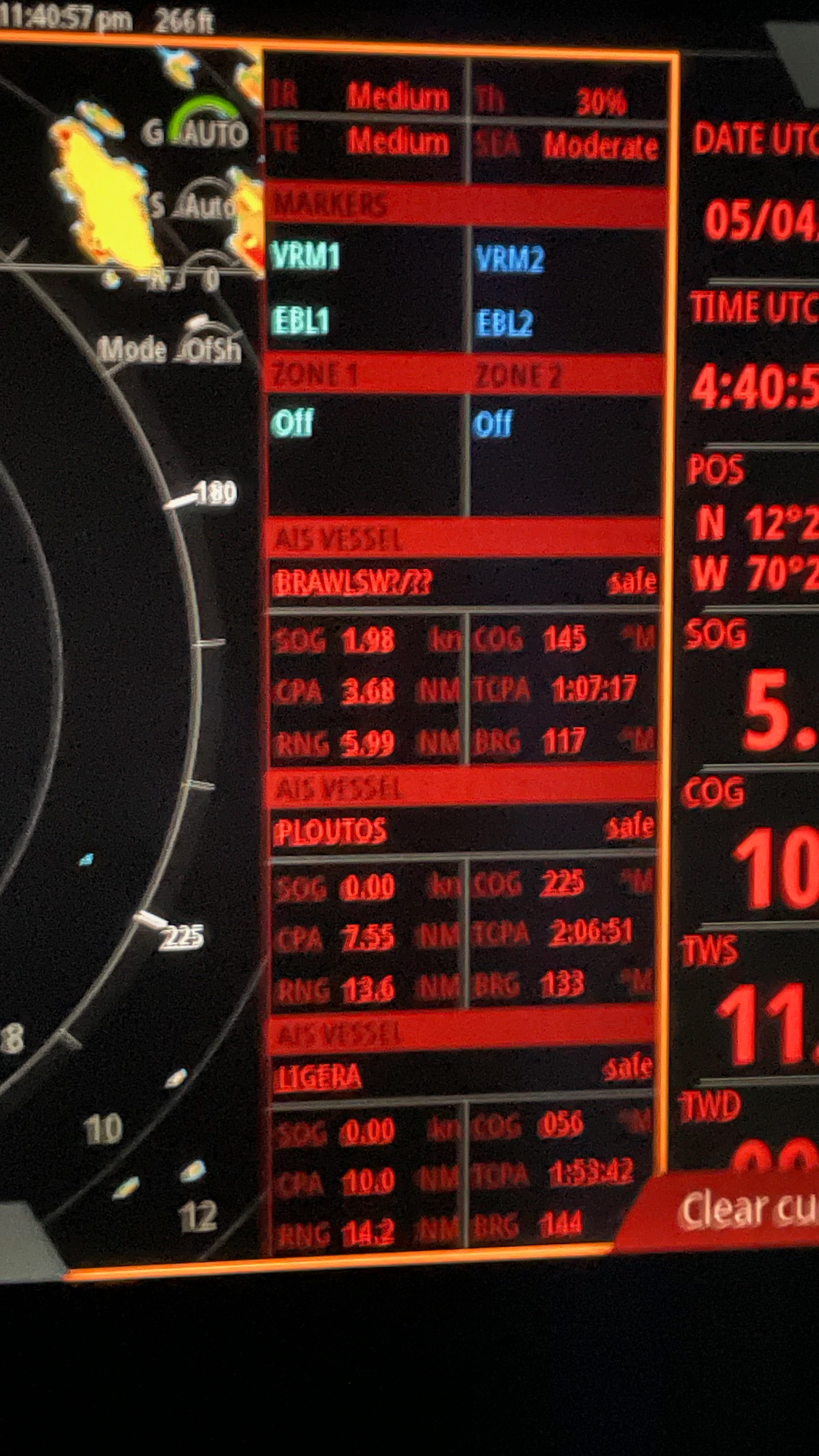
For our friends who were behind us by a larger distance, it was going to take them longer to get to Aruba. The storm lasted through out the night and the wind and waves all the next day. Bohemia was not far behind us and was following a similar track which was straight to Aruba because we were both motor sailing. Other friends had decided to head north, hoping to get away from the current to pick up speed, but they ended up going into a worse sea state.
Rochambeau, a Lagoon 40 which is a heavy catamaran, slowed all the way down to less than 1 knot of speed and soon they started to receive damage to their boat from the intensity of the storm’s waves. Their heavy dinghy was hanging on their davits at the stern of their boat and soon their davits began to break and they were potentially going to lose their dinghy if they didn’t turn around, to go downwind, with the current and lessen the impact of the waves, and head back to Colombia. It was very sad and scary for them to separate from our group of friends in the middle of a storm but they ended up doing the right thing for their own safety. We have a dinghy that deflates so we can put it away in our lazarette with our outboard. We never go offshore on a passage without first deflating our dinghy and storing it with the outboard below.
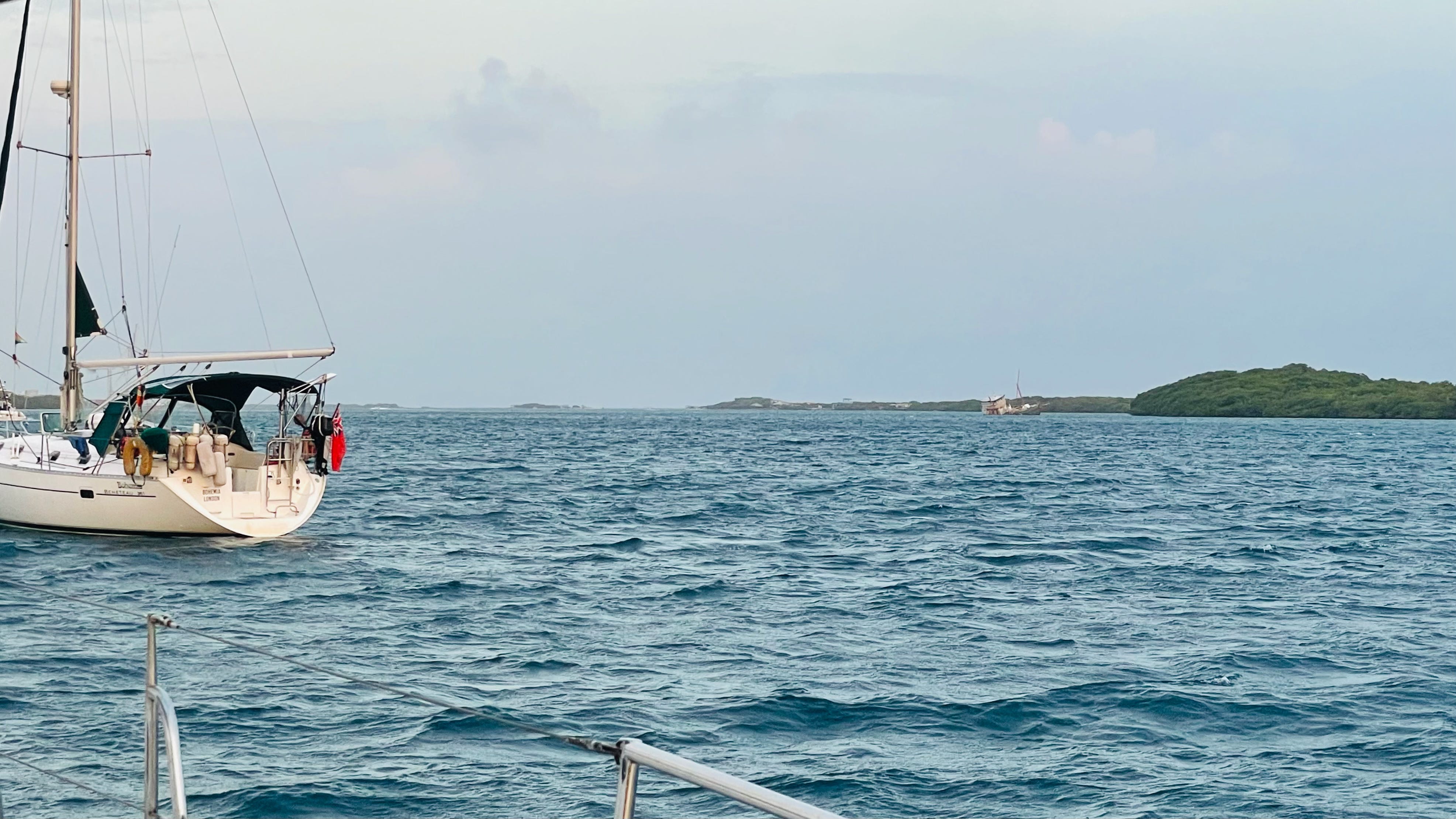
Once we arrived in a safe harbor, we let out a huge sigh of relief. We still had to check into Aruba through immigration and customs at their office after navigating around a small island in a lot of wind and transiting a narrow channel and then put Salacia on the dock. The process to check in went smoothly, but it took time. They came on board Salacia to make sure we didn’t have any guns or alcohol. This is always a bit tiring but we understood the process and joked with the officials so they would not delay us and when we finally anchored, we fell fast to sleep. Sleep after a long passage is always the best!
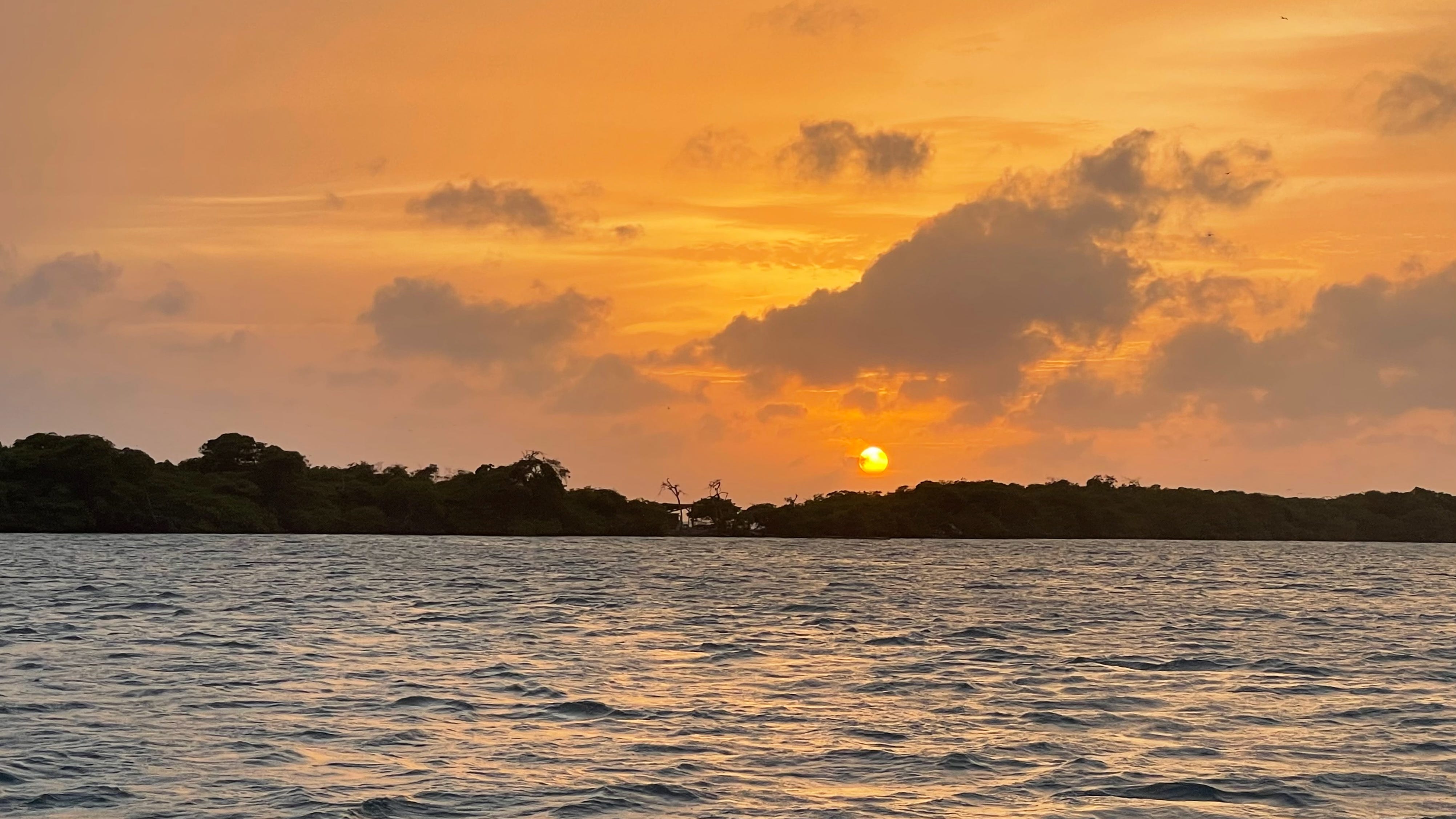
When we woke up in the afternoon we discovered that most of our friends were still battling the heavy seas and wind the entire day and they were making very slow progress still fifteen miles out from the island. Rochambeau turned around and they were on their way back to Santa Marta, Colombia. By the end of the night, everyone made it to their intended destinations safely but after a long and arduous journey. We had the advantage of being closer to Aruba by the time the storm hit, thanks to being a bit faster. This was a difficult passage and we were very pleased with how we managed it.
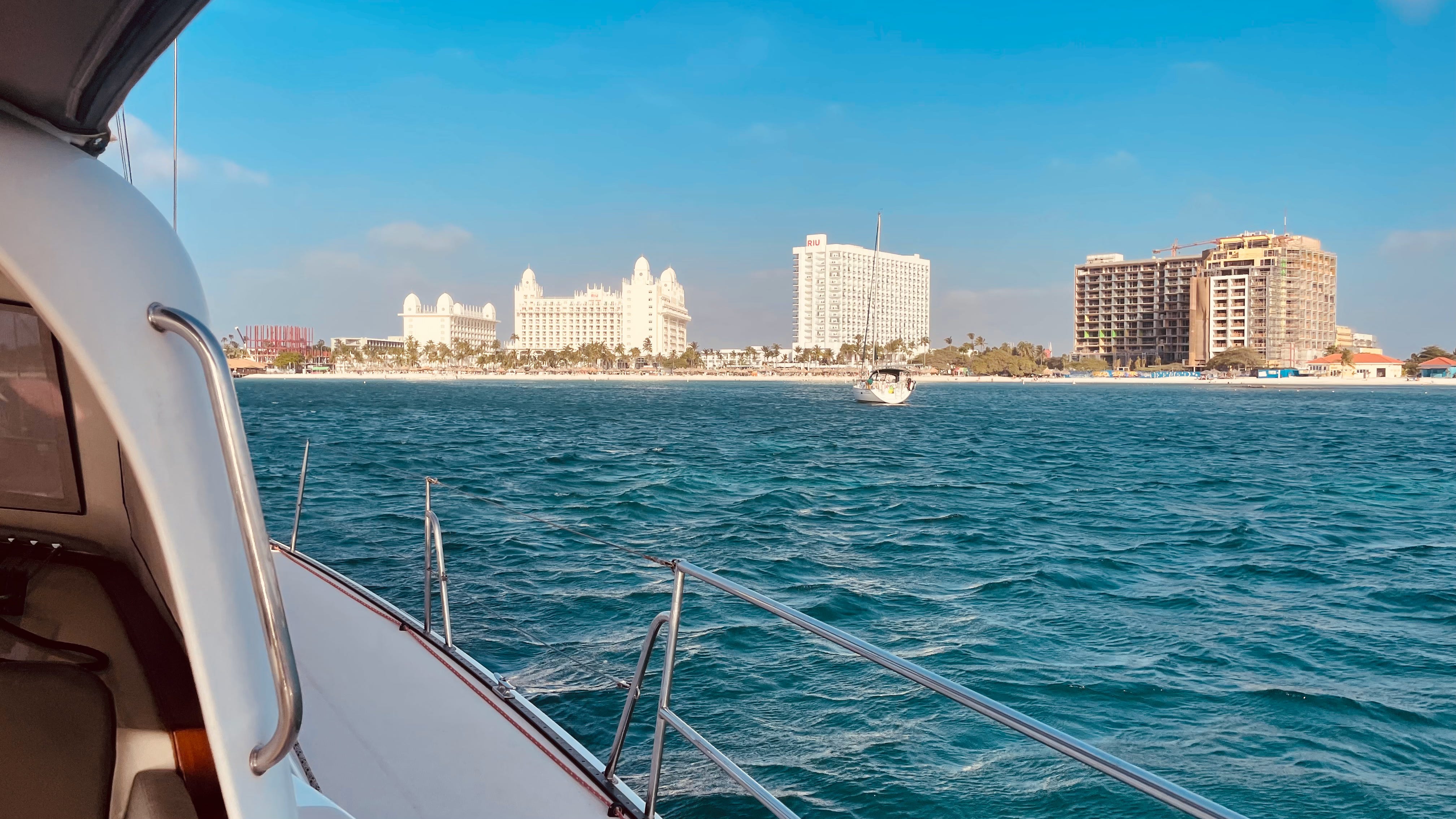
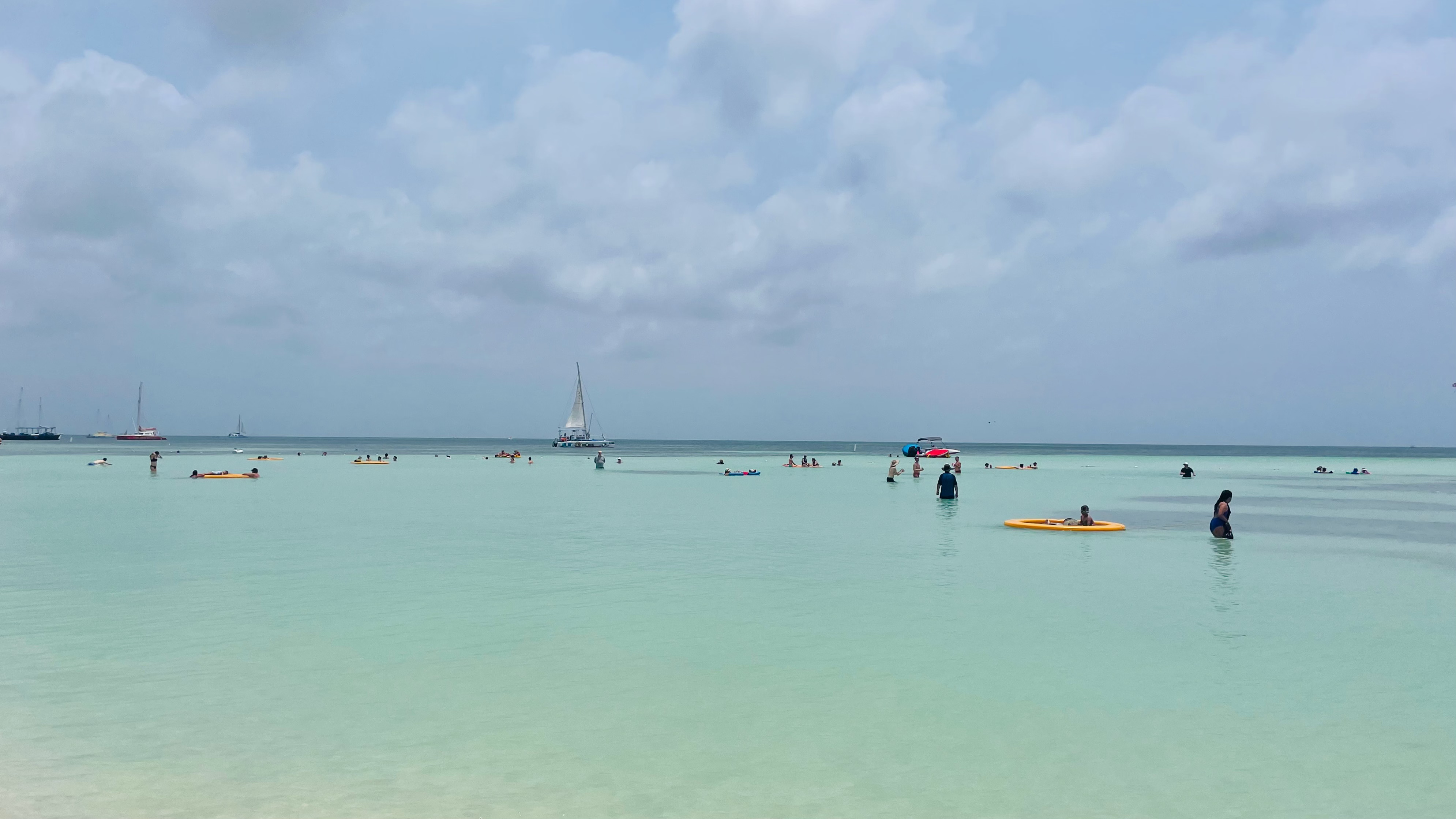
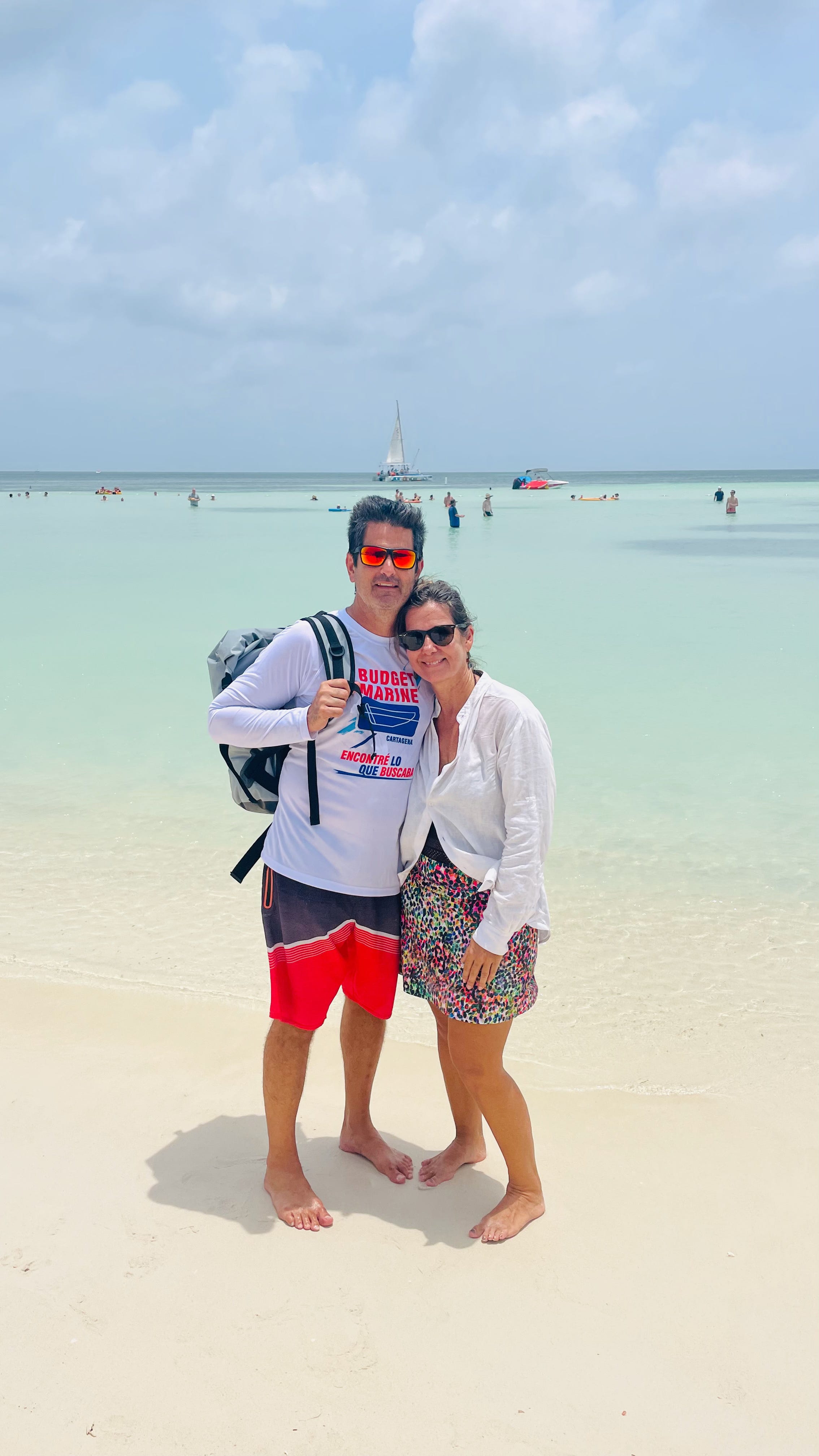
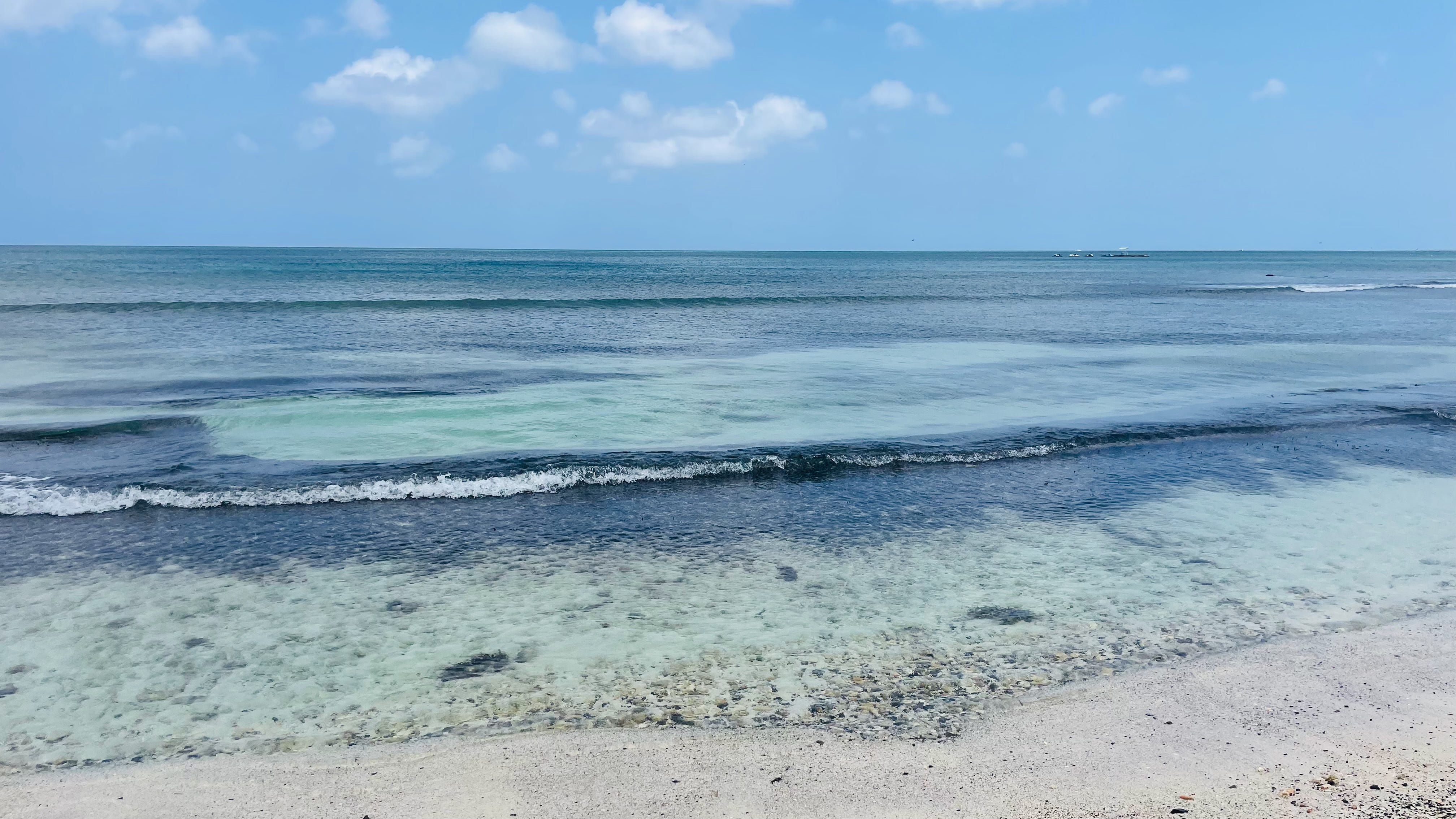
After a day or two of rest we decided to move our boats to an anchorage north where there were beautiful white sandy beaches and where we could walk to or take a bus to the grocery store with lots of places to explore. The trade winds relentlessly blew over 20 knots daily in Aruba, but the island protected us from the swell, so we enjoyed the warm climate with a constant breeze, and we were happy to settle down until the next weather window opened up for us to sail east again.
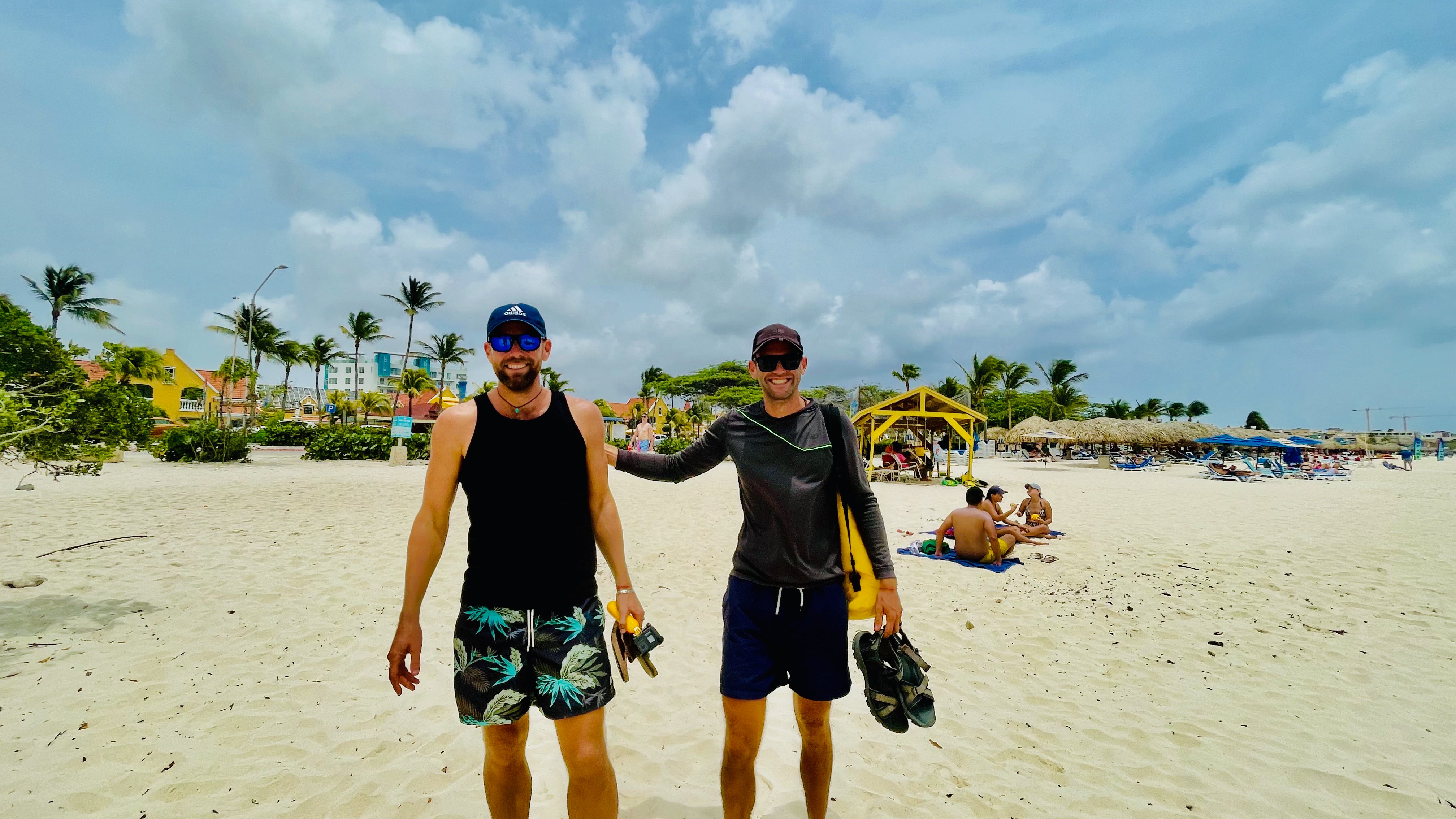
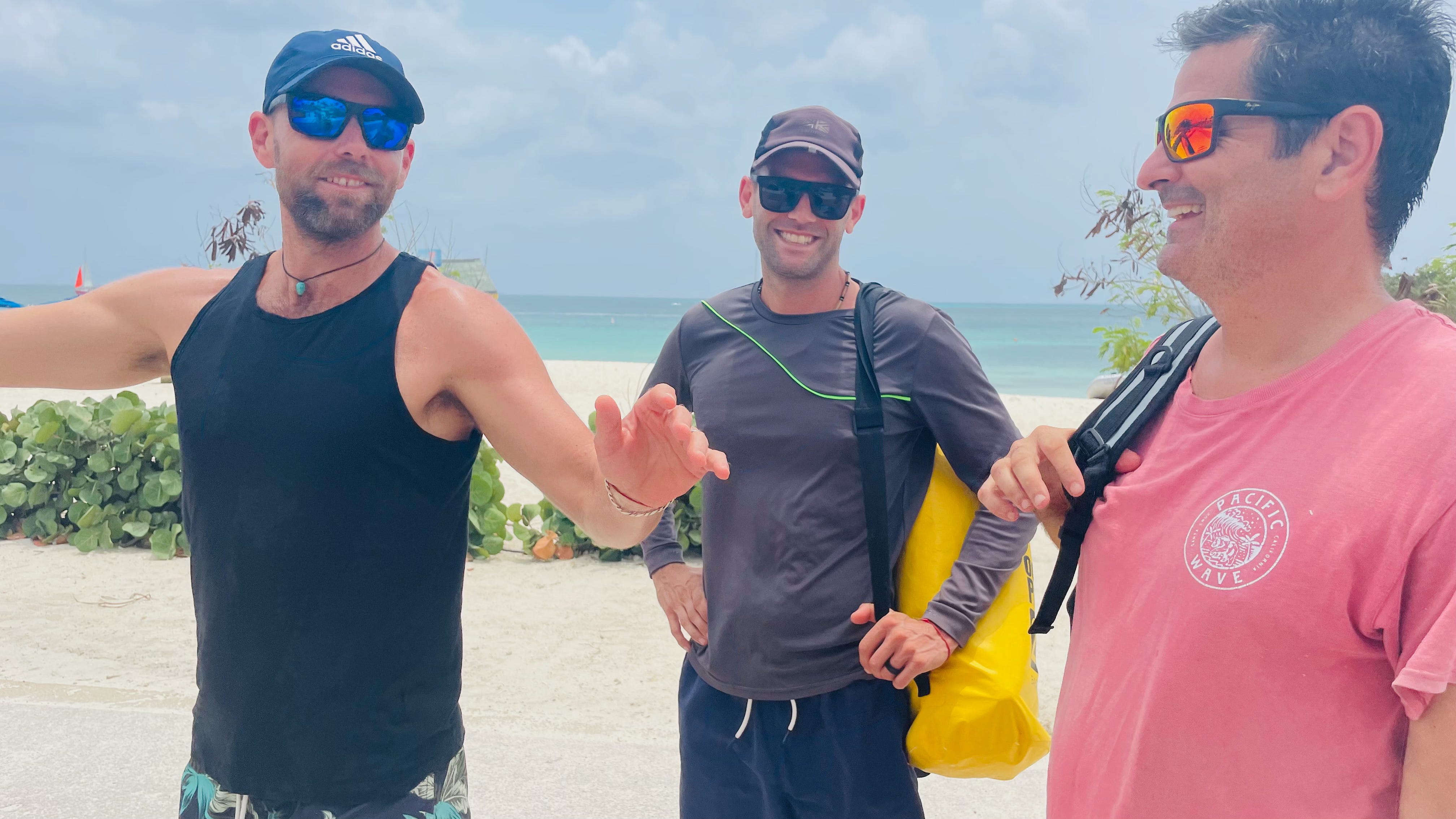
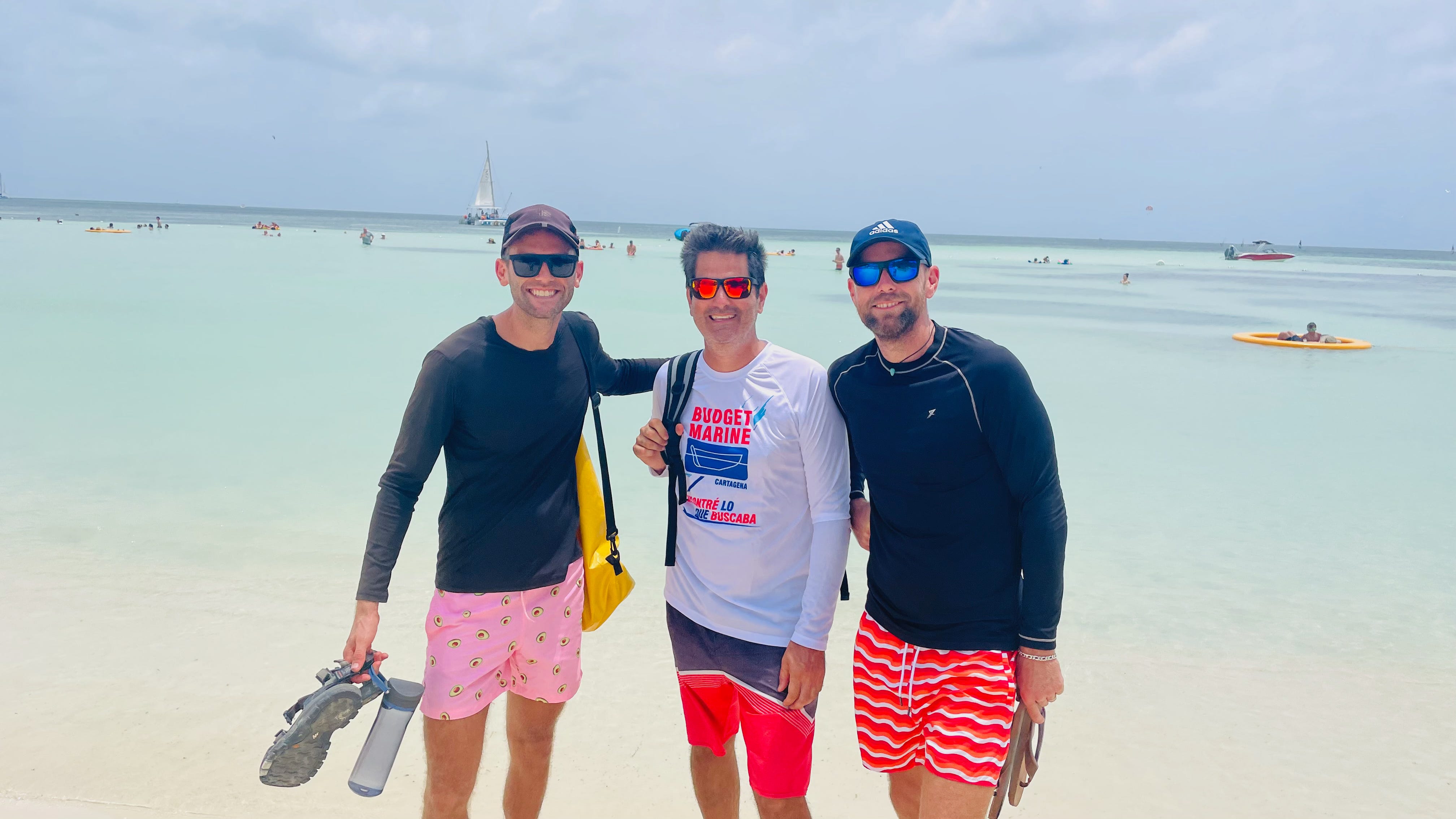
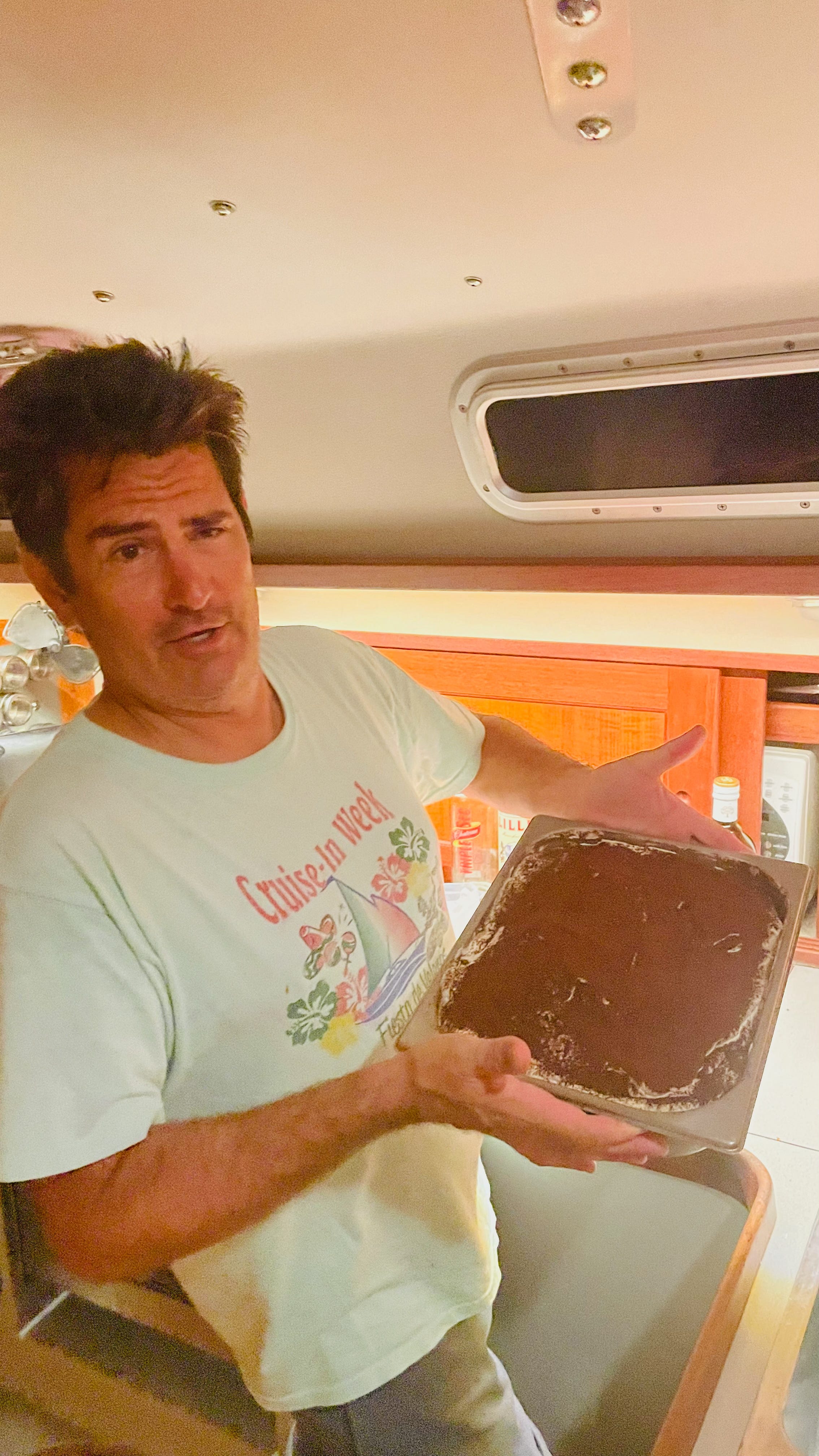
One way we passed the time was by hosting Peter and Tom for dinner and vice versa. Peter and Tom are a lovely, married couple. Peter is from the Czech Republic and Tom is from the United Kingdom. I told Peter that my mother’s side of the family was originally from Czechoslovakia. He deducted from the food I grew up with that my family was most likely from Slovakia. I loved learning this information and want to make a point of visiting the country.
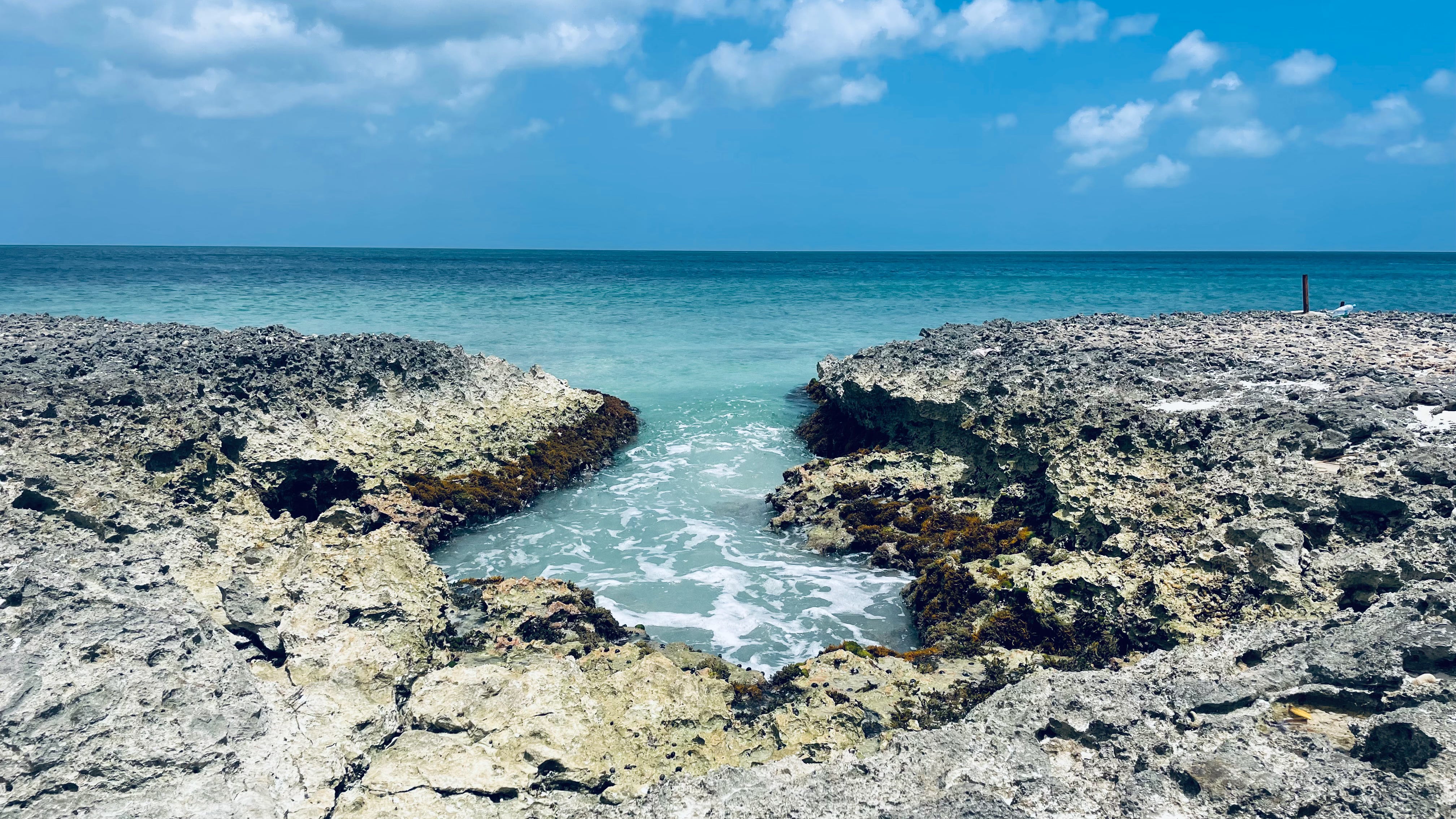
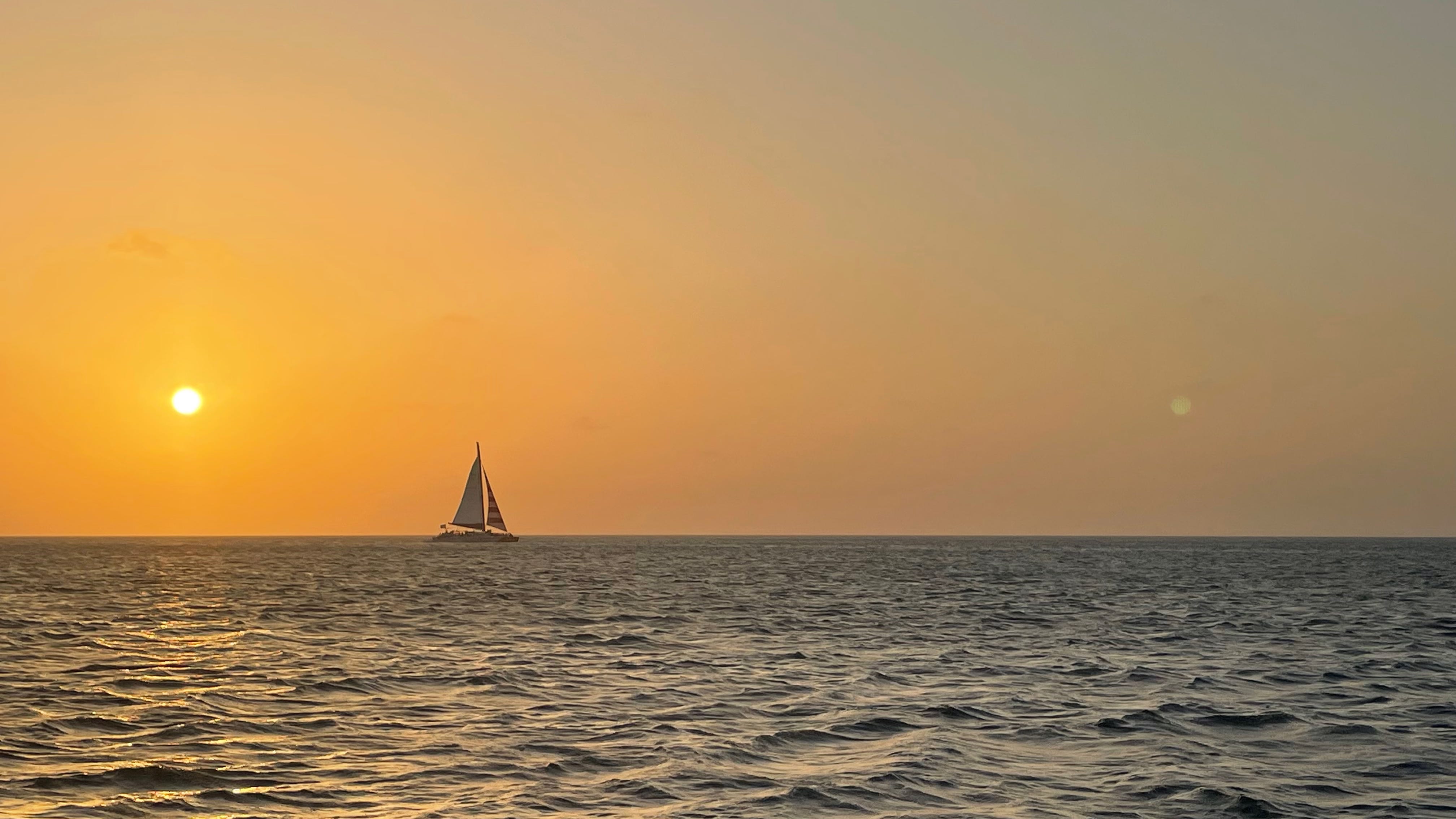
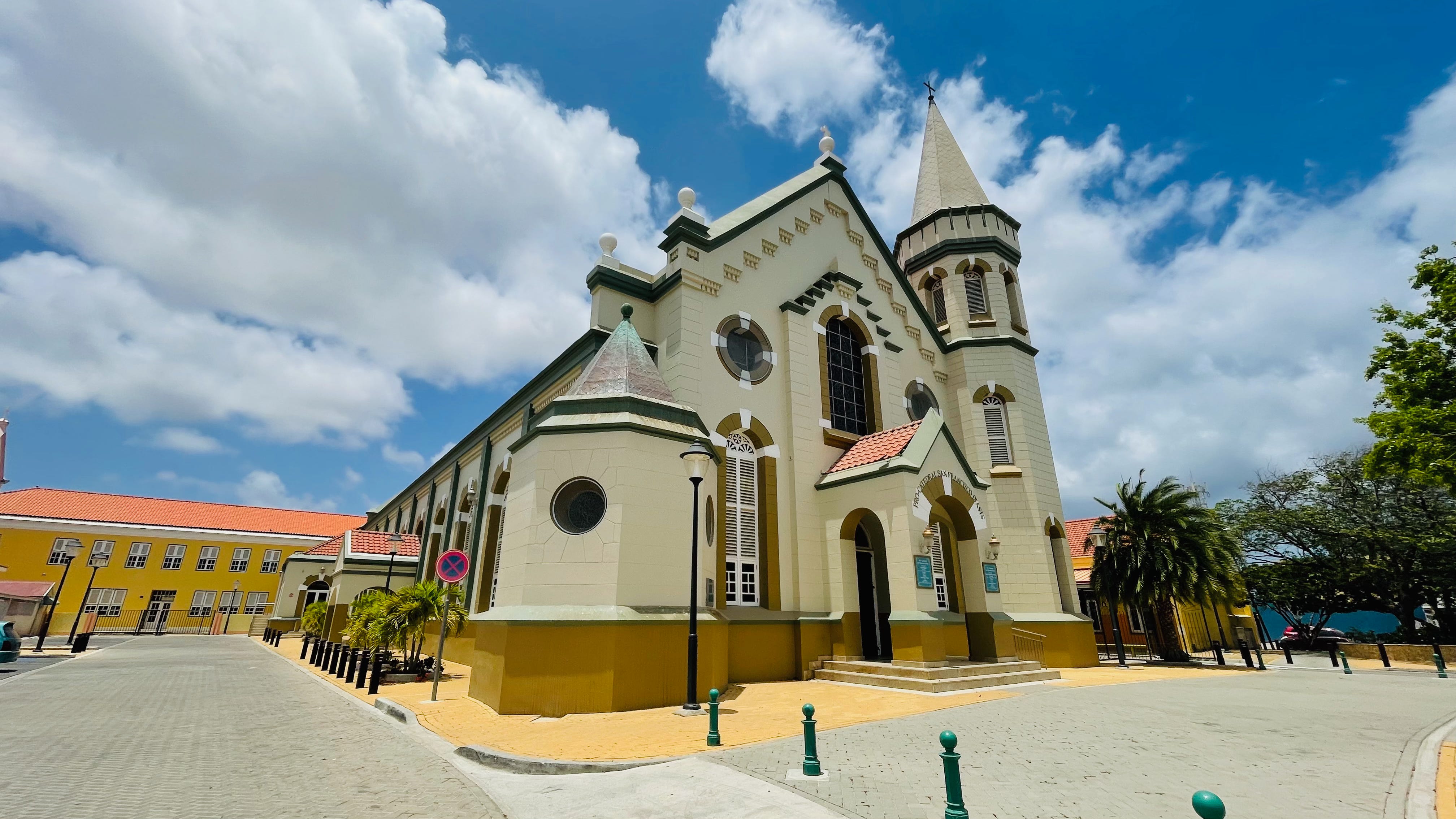
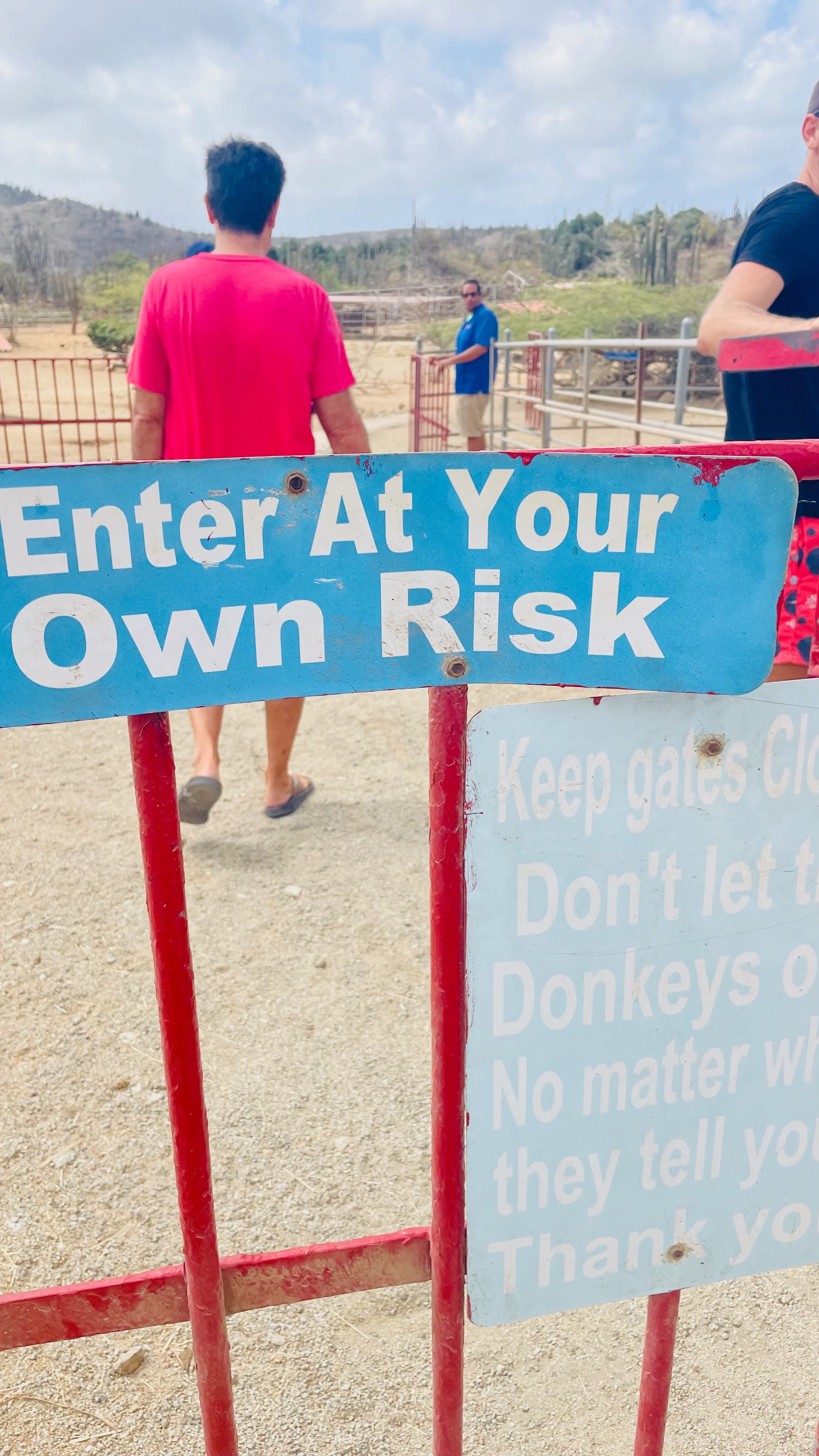
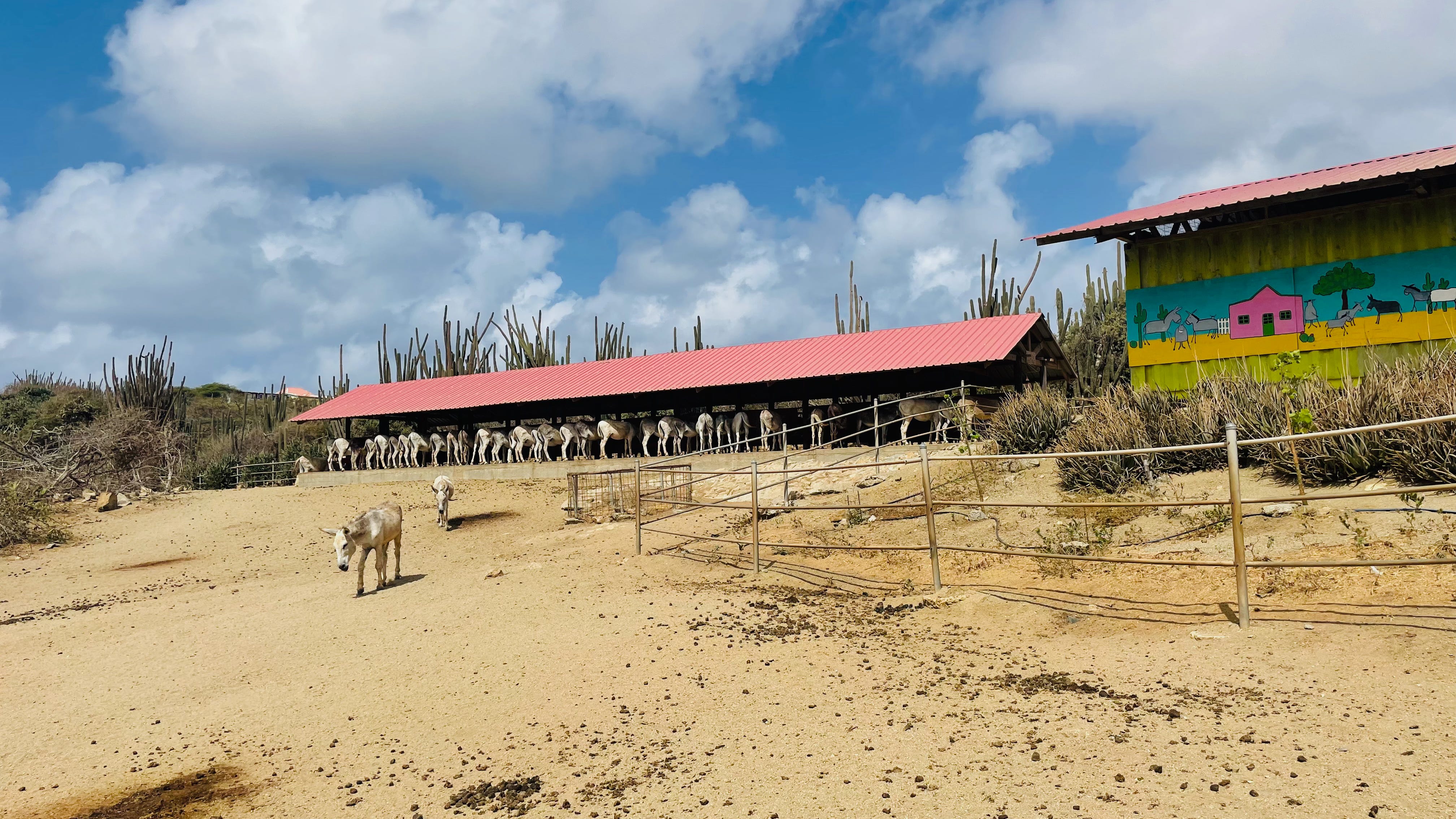
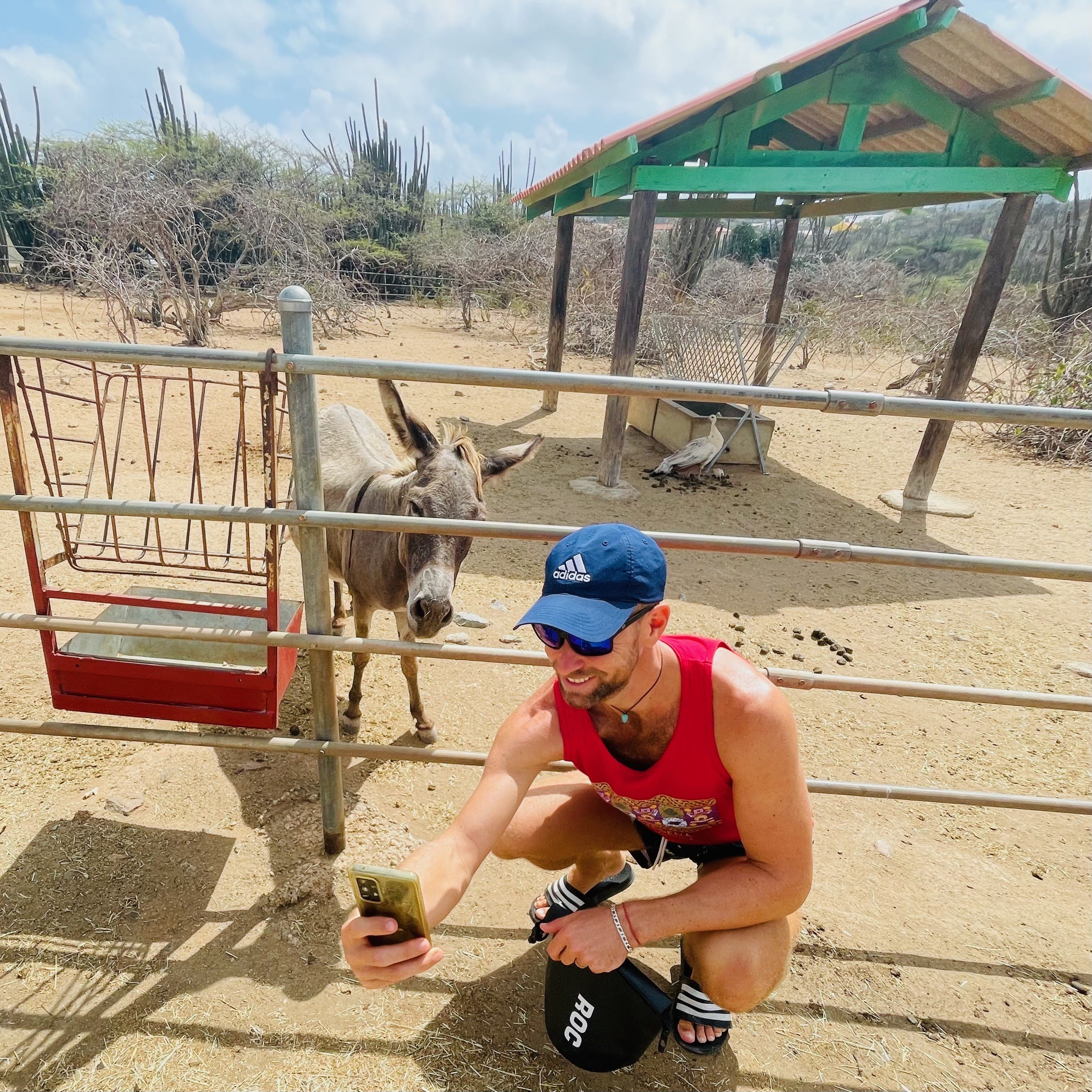
The sanctuary offers food to feed the donkeys at a low price. What a blessed life!
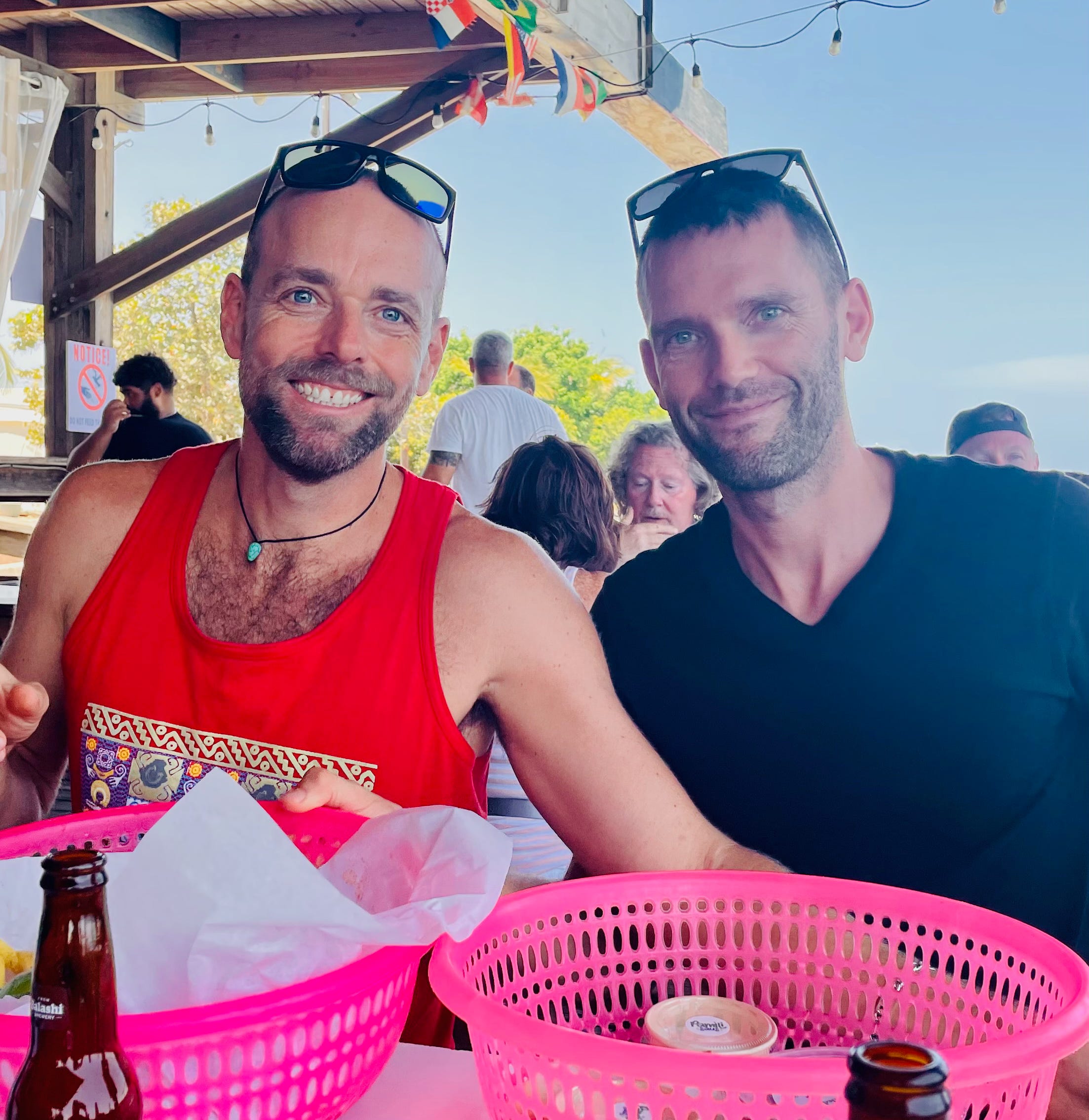
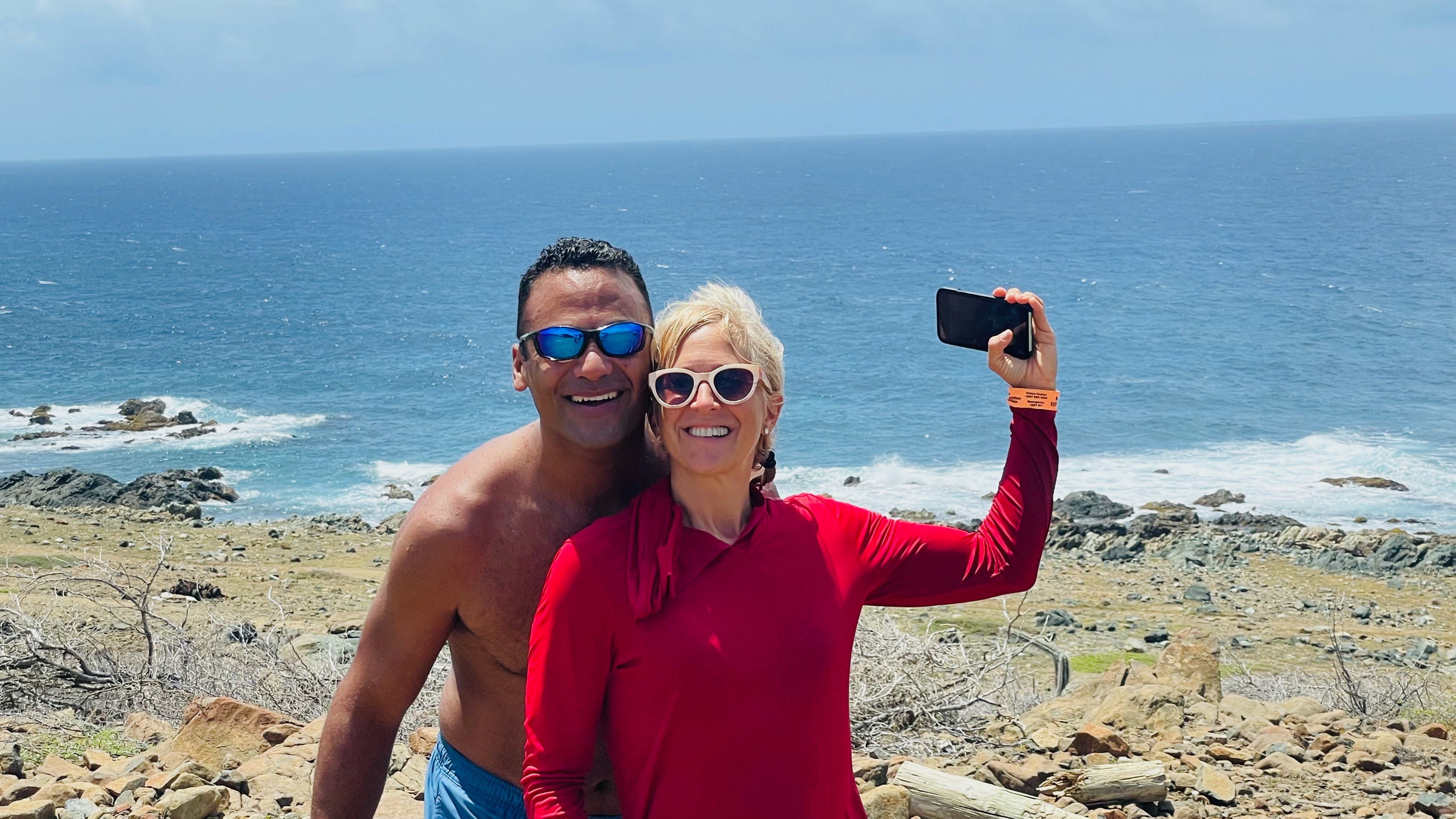
There was no shortage of friends to go on excursions with while we were waiting for another weather window to Curaçao.
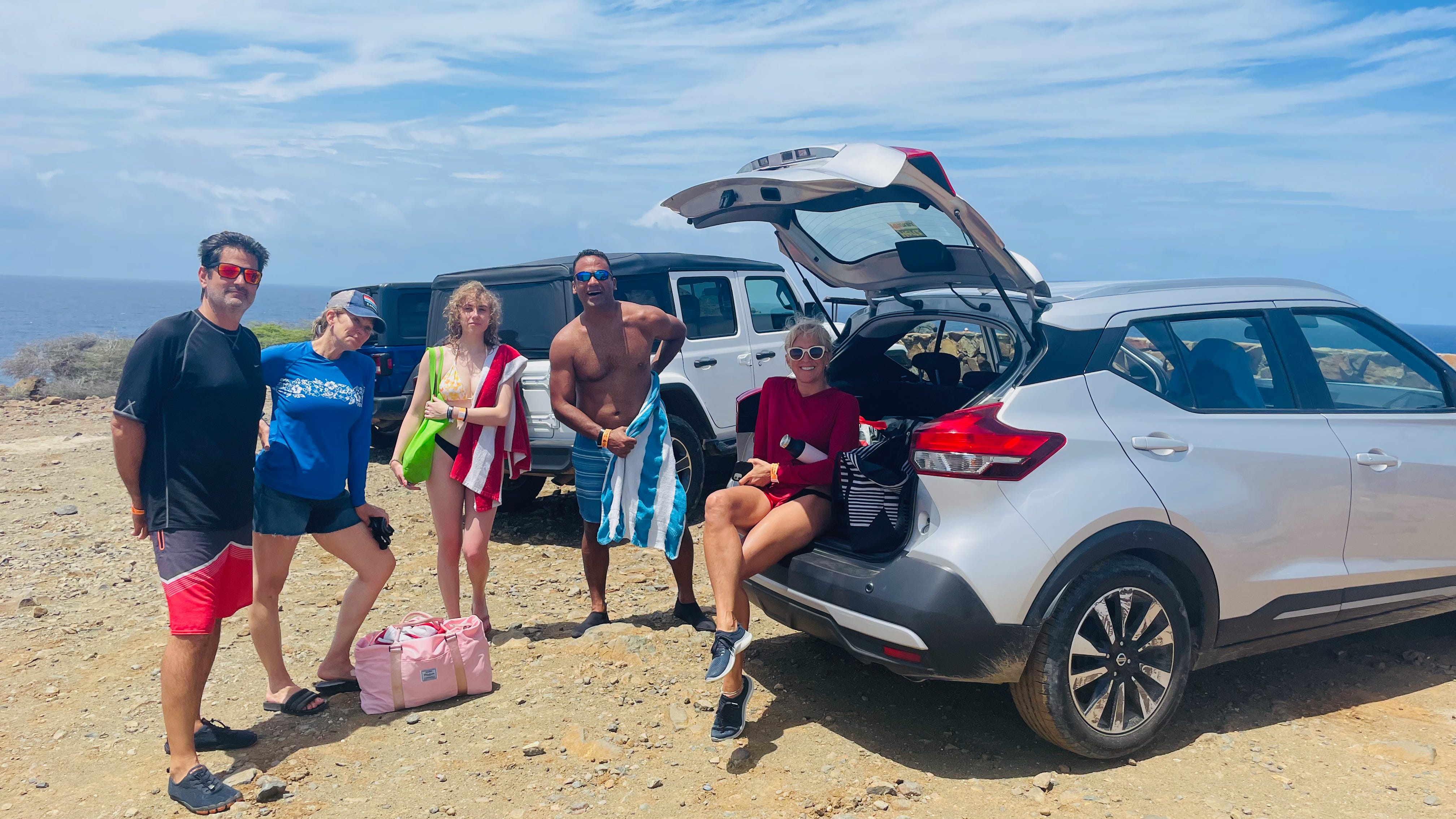
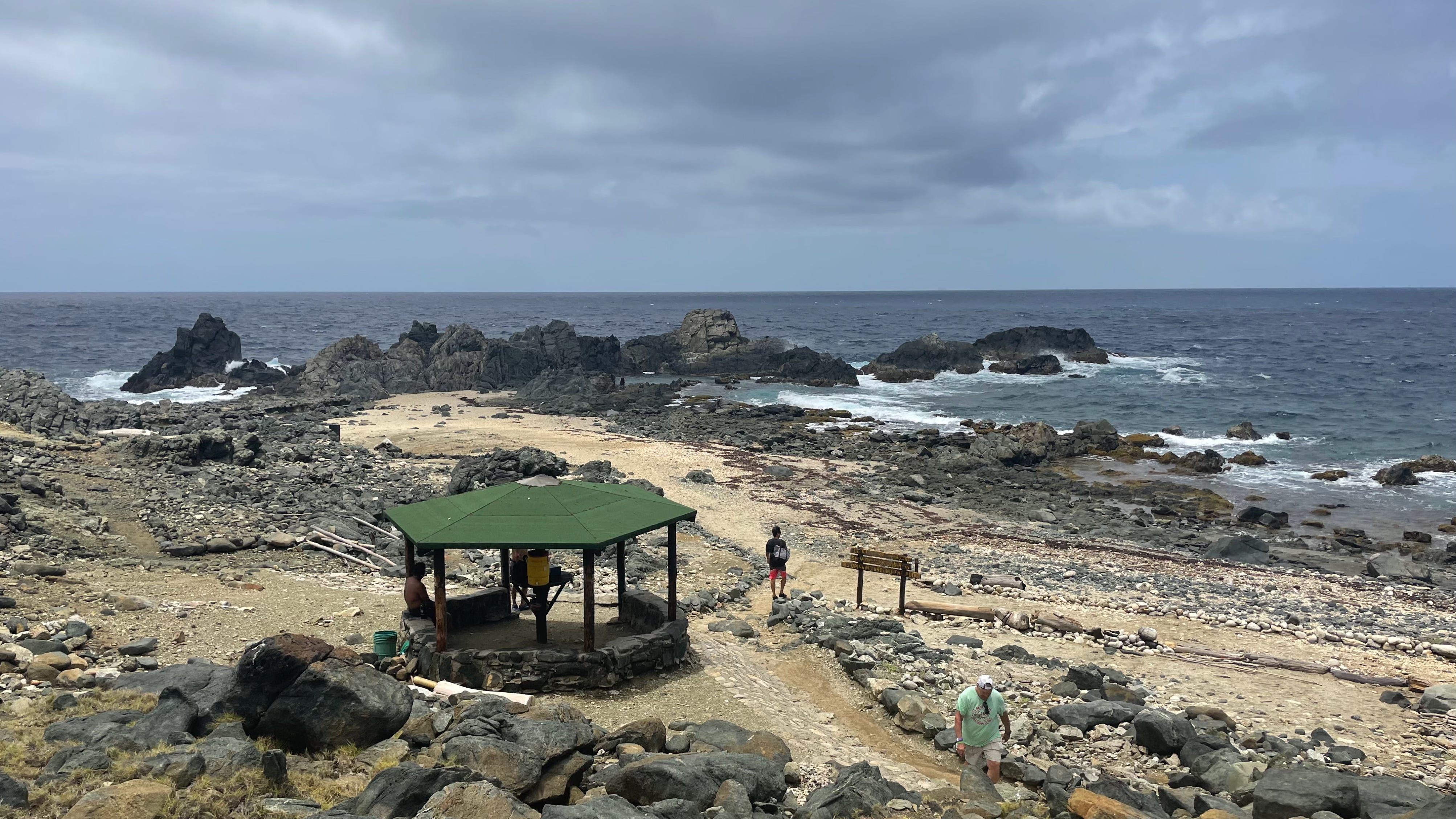
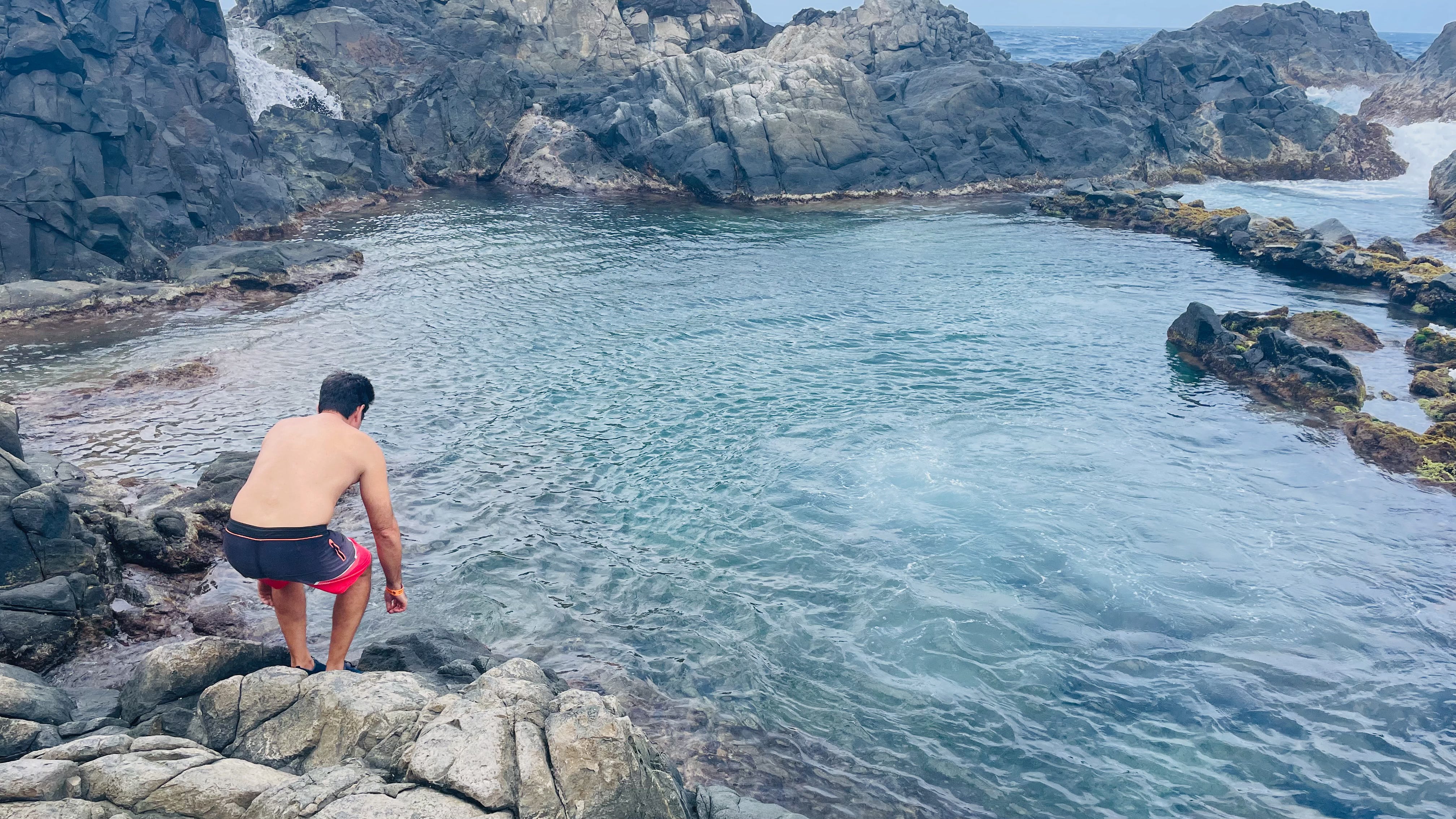
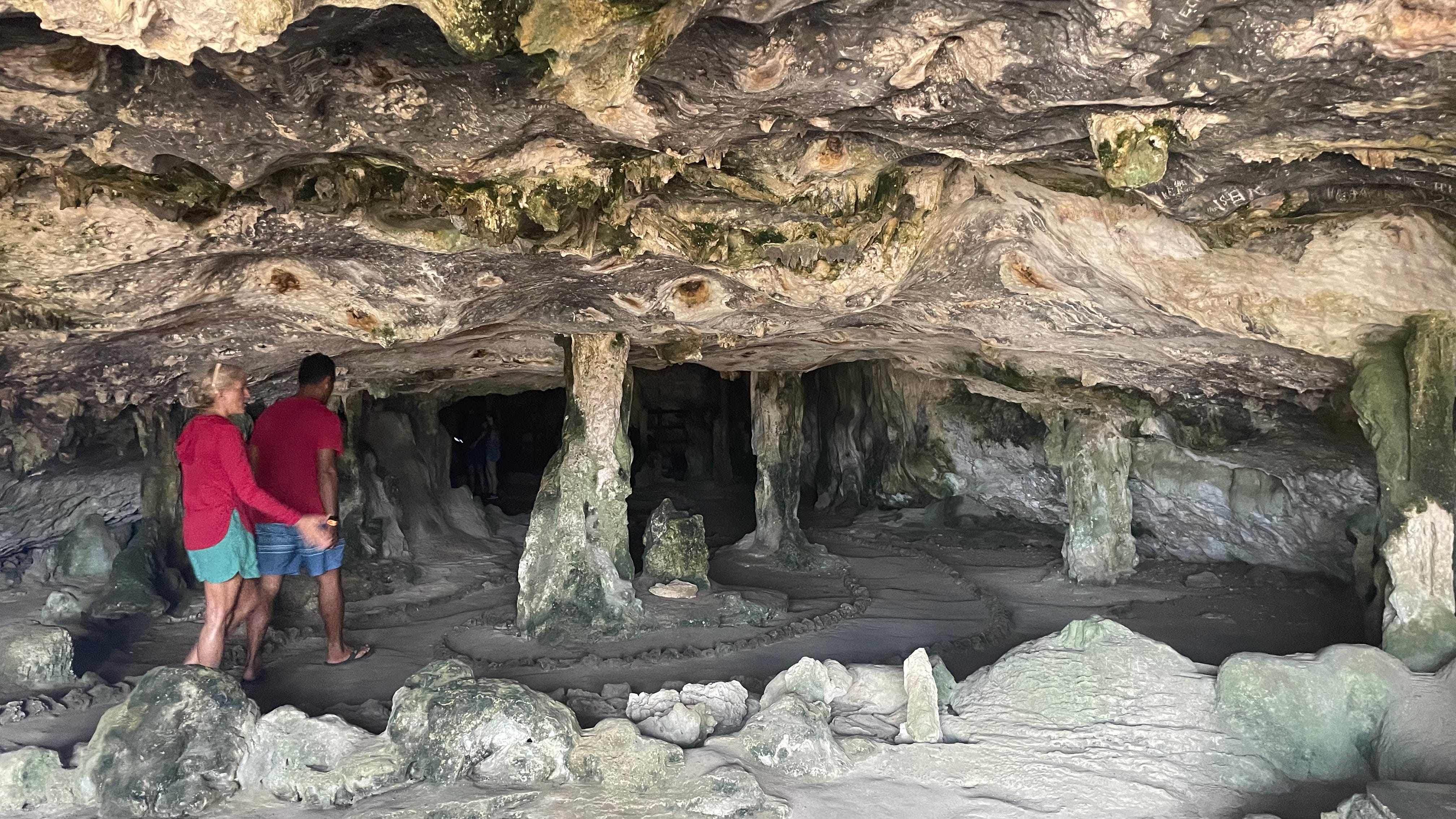
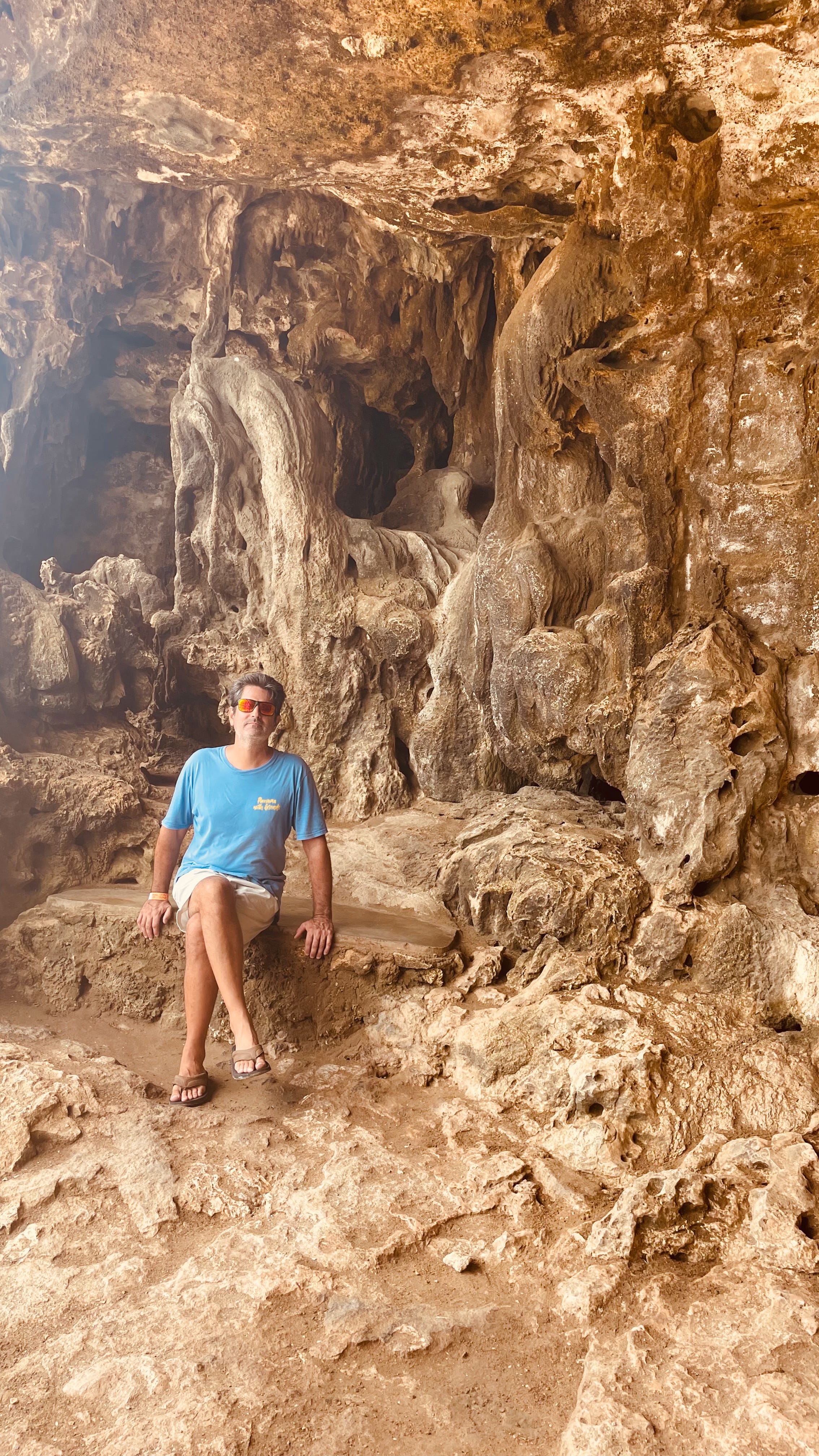
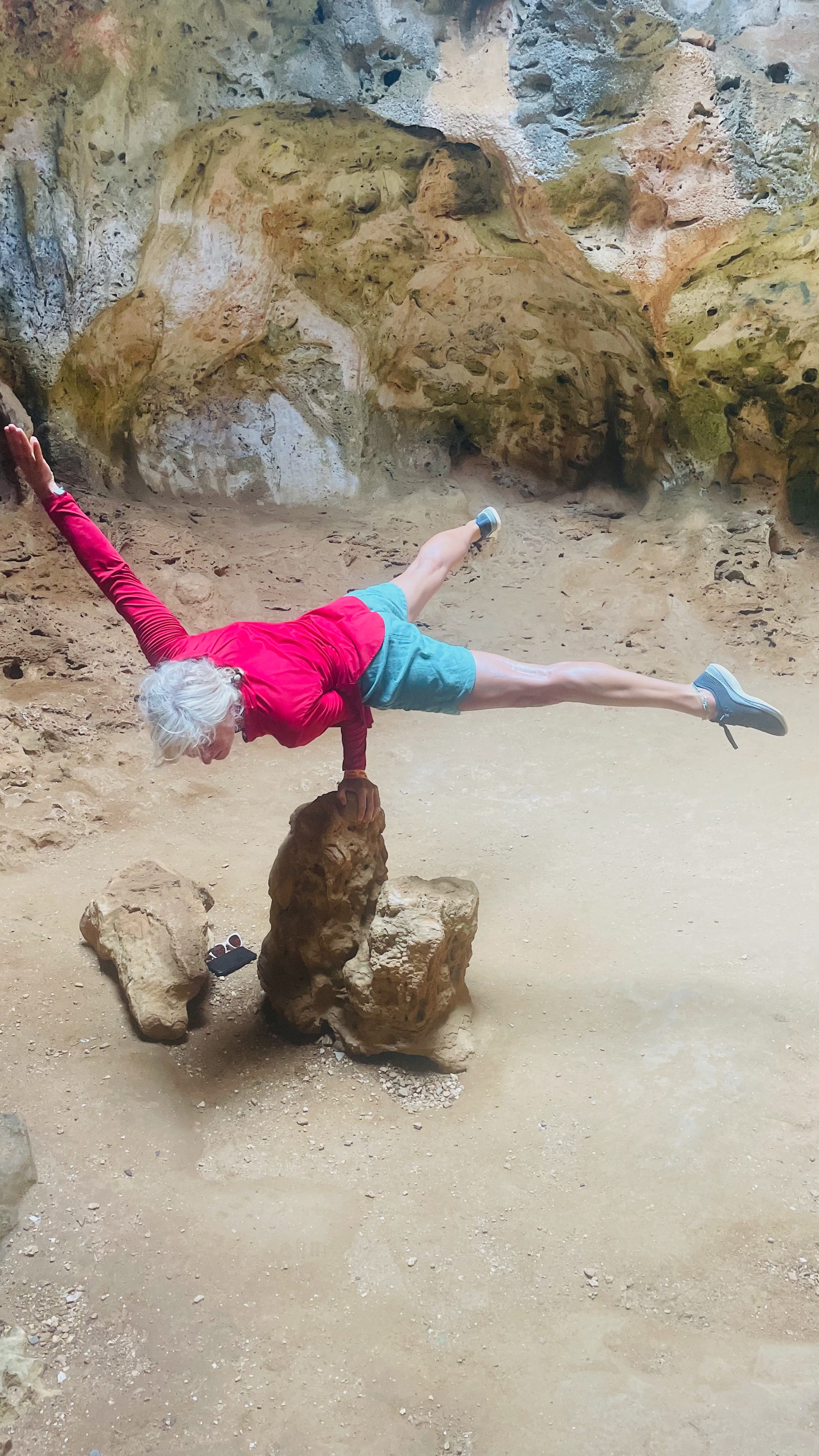
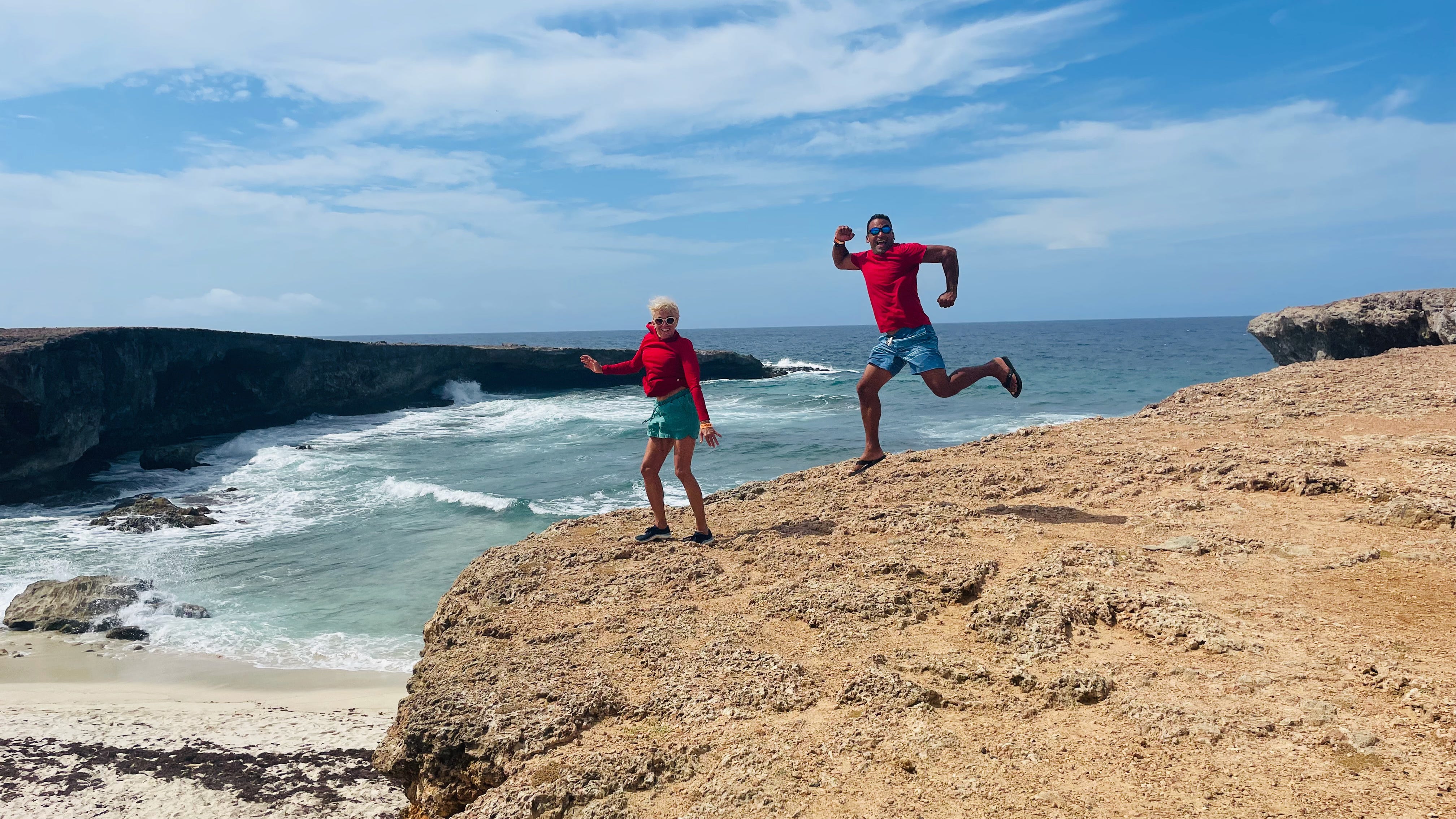
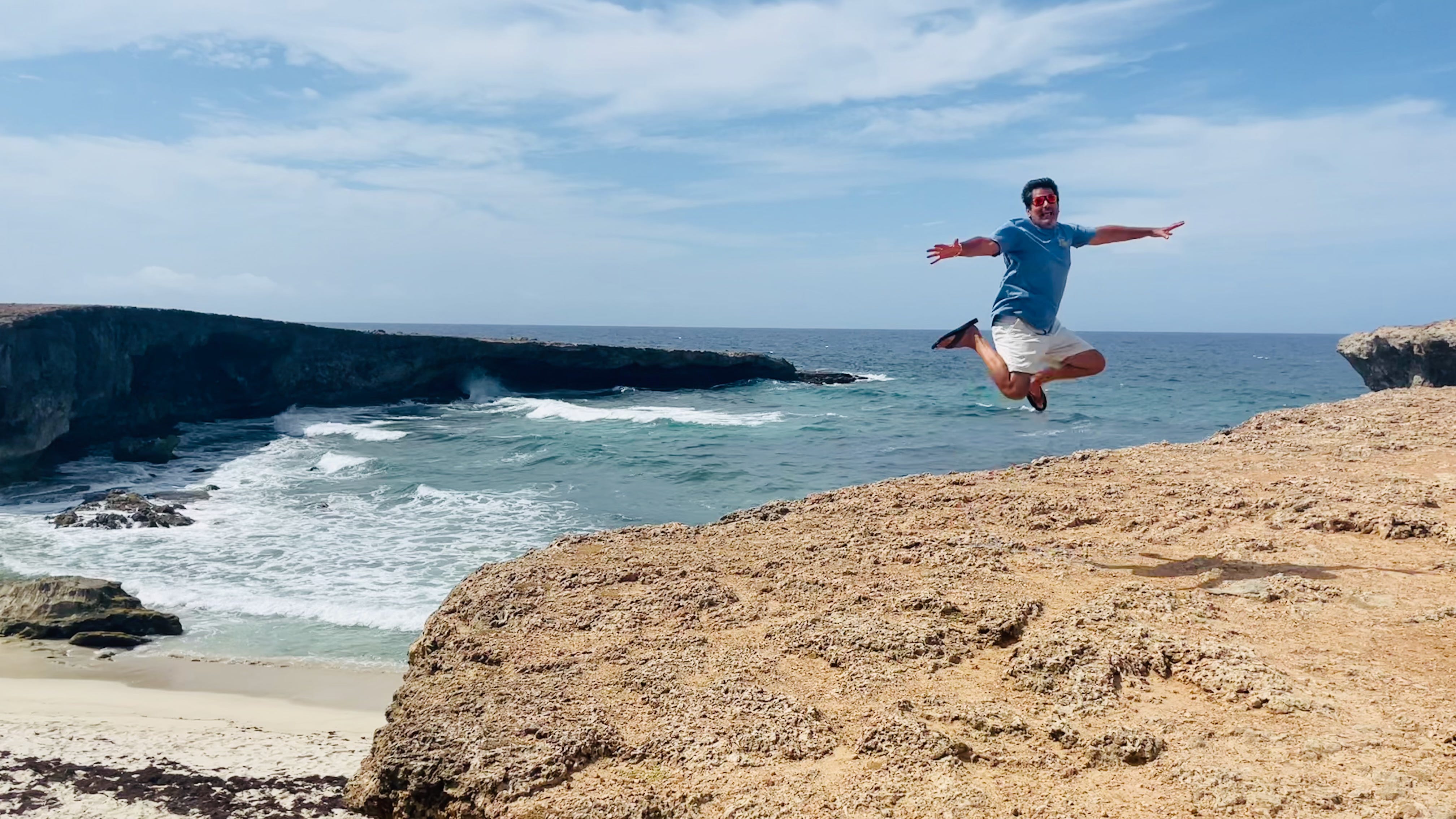
We discovered the Hilton Resort on the beach across from where we were anchored which had a pool for all of us to hang out in together. The hotel staff did not mind that we were not hotel guests probably because we ate lunch during our visit and the height of the season was passing. It was a lovely way to spend time when I wasn’t working. But just as we discovered this little oasis, we noticed a weather window pop up for us to sail to Curaçao. We wanted to take advantage of it while we could because we didn’t know how long it would be before the next one.
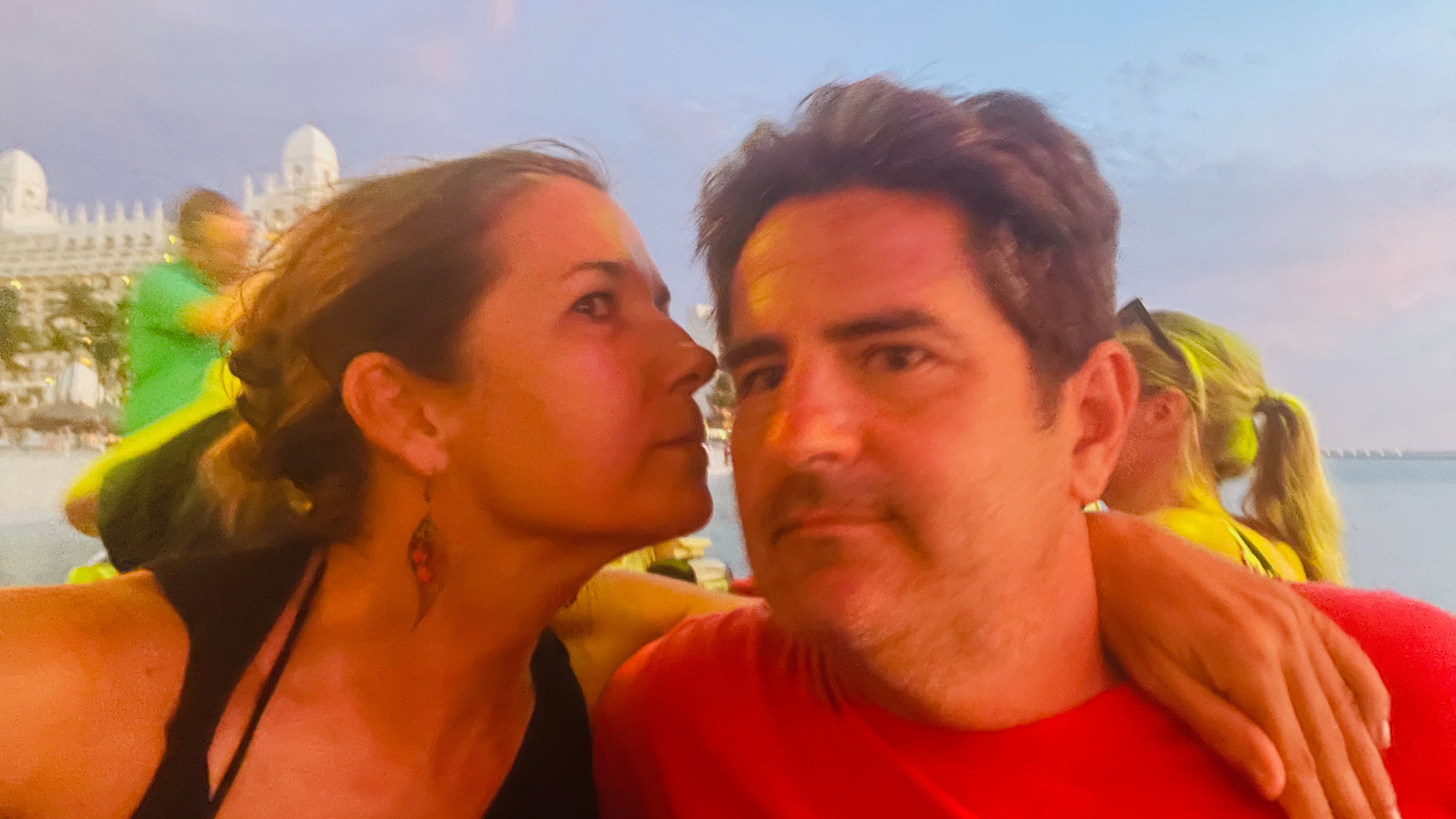
Thank you for reading about our adventures on Enchanted Voyage. We made it through another challenging passage and we enjoyed our time of rest and exploration on Aruba. Aruba is quite touristy with all of the hotels, cruise ships and sunset charters, but it entertained us before moving on to our next destination in the ABC islands. Stay tuned as we head to Curaçao and Bonaire before sailing to the Lesser Antilles!
Lovely adventures! Thanks for the map and explaining the winds and how that impacts the sailing. And donkeys! I'm jealous!!
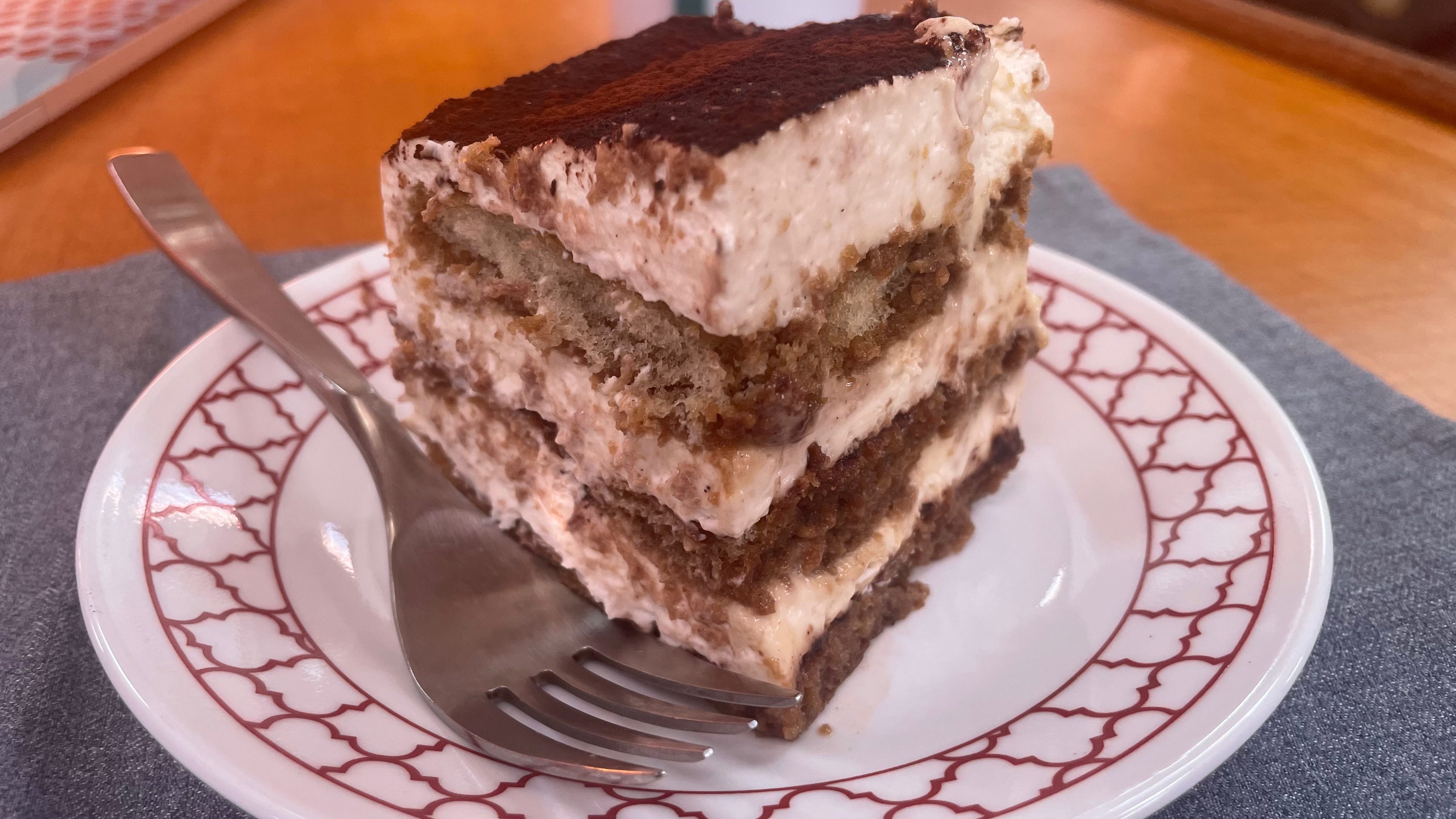
Takes me right back to an all you can eat tiramisu buffet dream I had recently 😍 great post!