


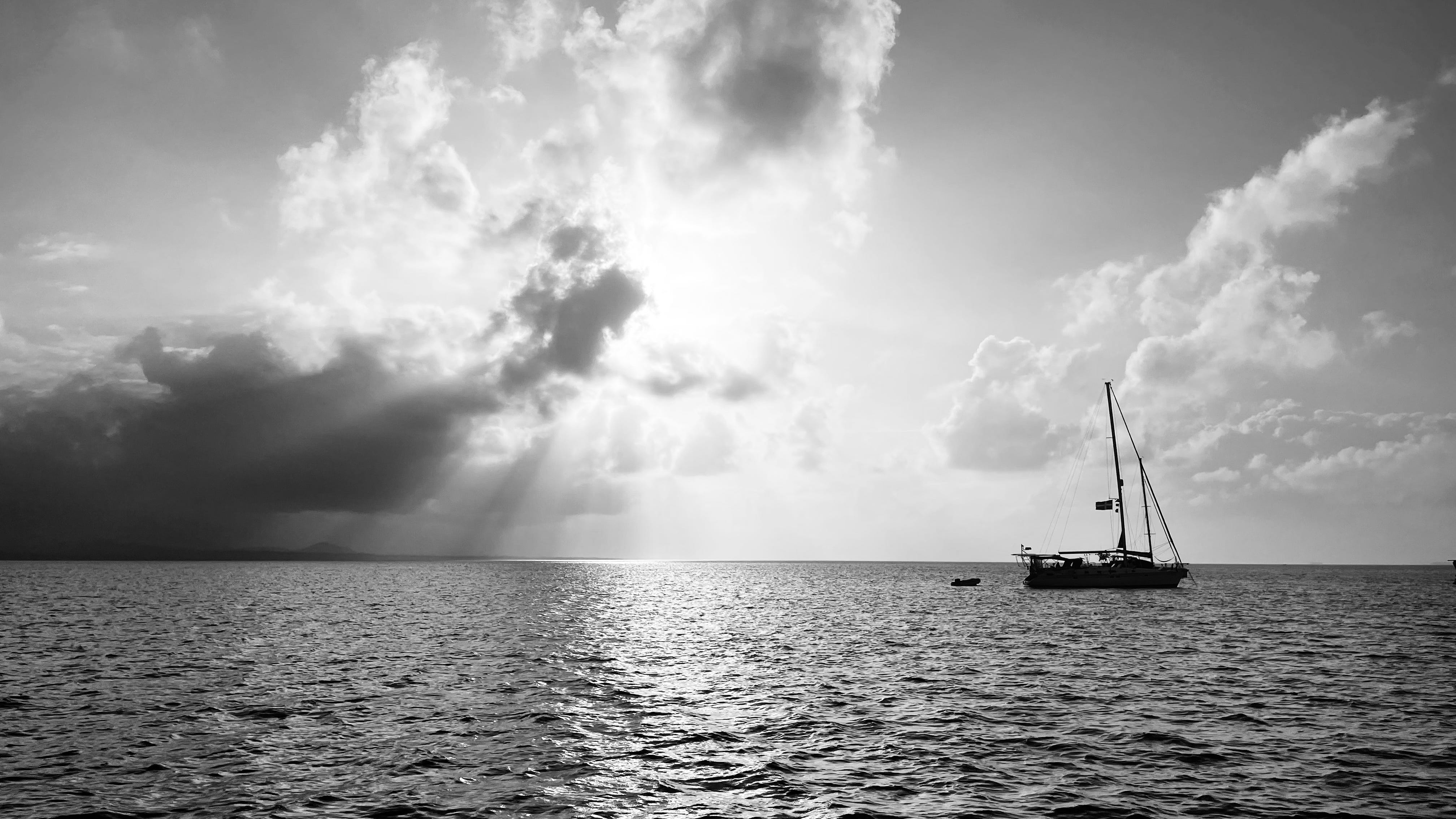
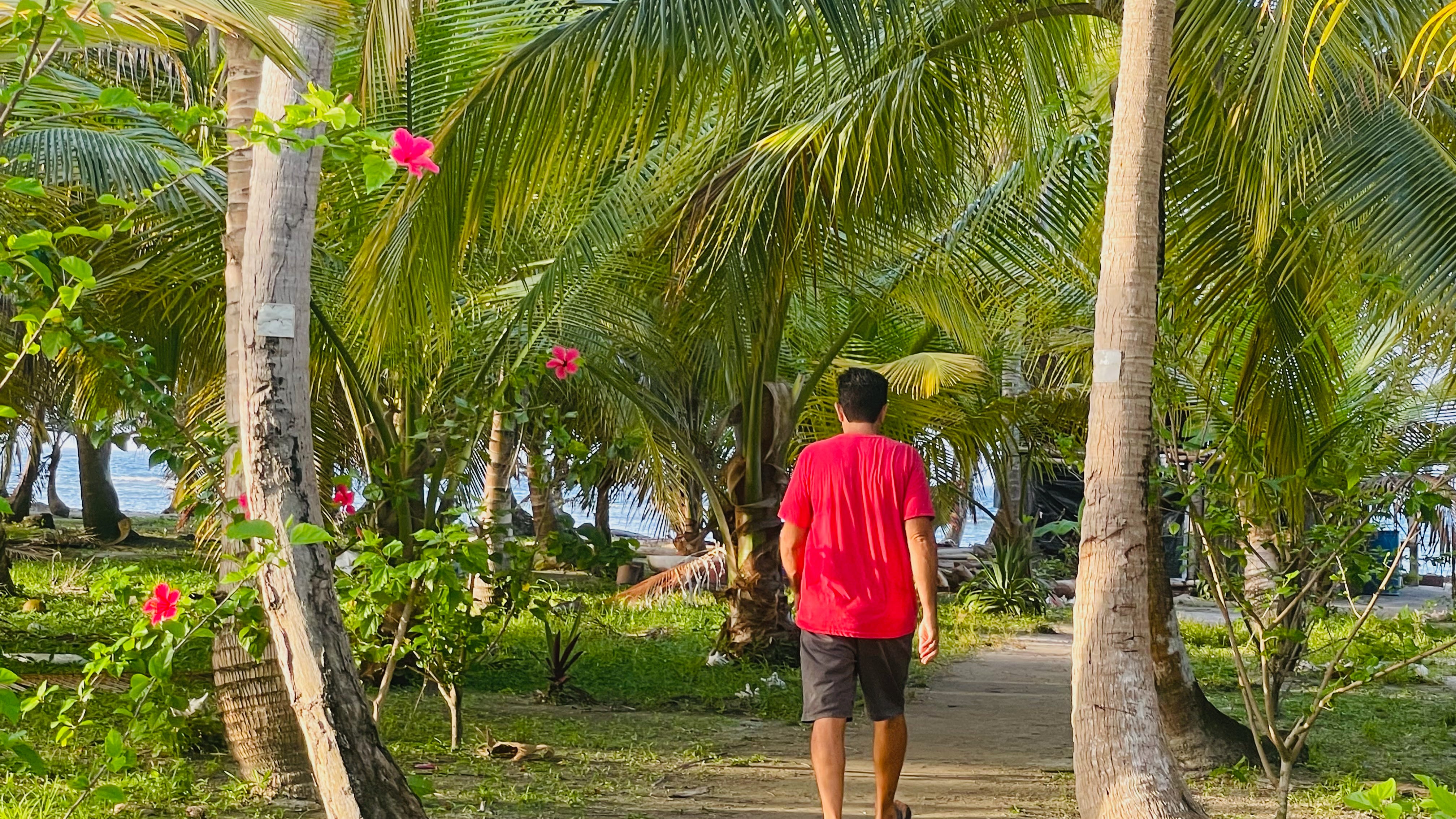
The Buddhists think a lot about impermanence — everything that has a beginning comes to an end. After nearly four months in San Blas, Panamá, the time to leave was quickly approaching, bringing an end to this chapter of our cruise. The repeated arrivals and departures along the way always offer fresh opportunities to reflect on how our perceptions of a place are conditioned by novelty, habituation, the anticipation of departure, and finally by the memories of our past experiences.
As we prepared to leave, our idyllic days were interspersed with the maintenance, cleaning, and organizing required to put the boat back into passage-making trim, as well as the sometimes anxious anticipation of our crossing of the Gulf of Urabá, not far from the Darién Gap, rife with human trafficking and drug smuggling.
More concerning though, was the weather. Sitting at the very southwestern corner of the Caribbean, San Blas receives the trade winds and the seas they blow up after rounding the northern coast of Columbia, where they’re accelerated and bent to the south. Usually large and relentless, sailing into this wind and these seas is punishing for both the boat and the people inside, so it’s key to find the best weather window possible, when a break in the winds allow the seas to lie down, making a more comfortable passage possible.
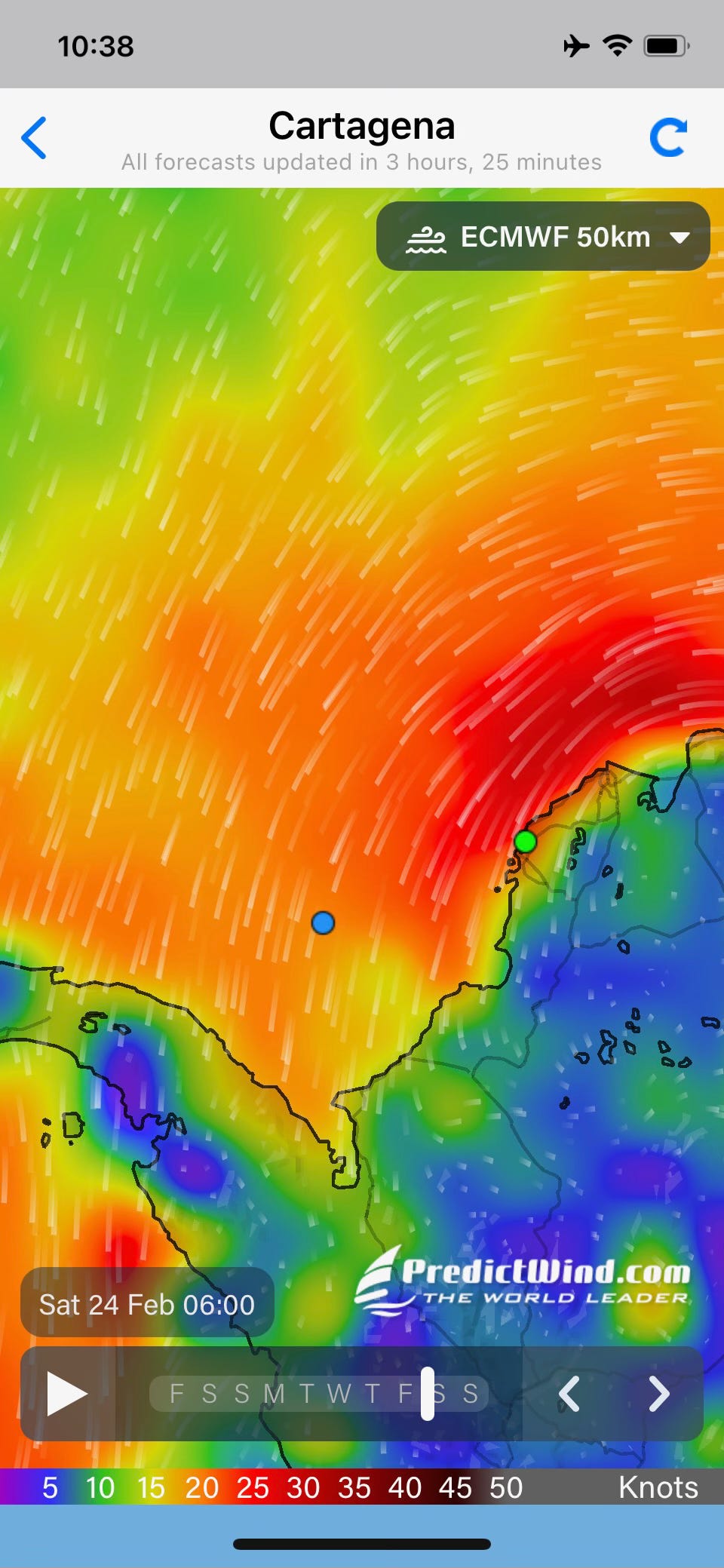
A good weather window eventually showed itself a couple weeks in advance because of a low forming up in the north which slows down the relenting trade winds in the south. It almost came a little too soon given what we needed to accomplish before we could leave.
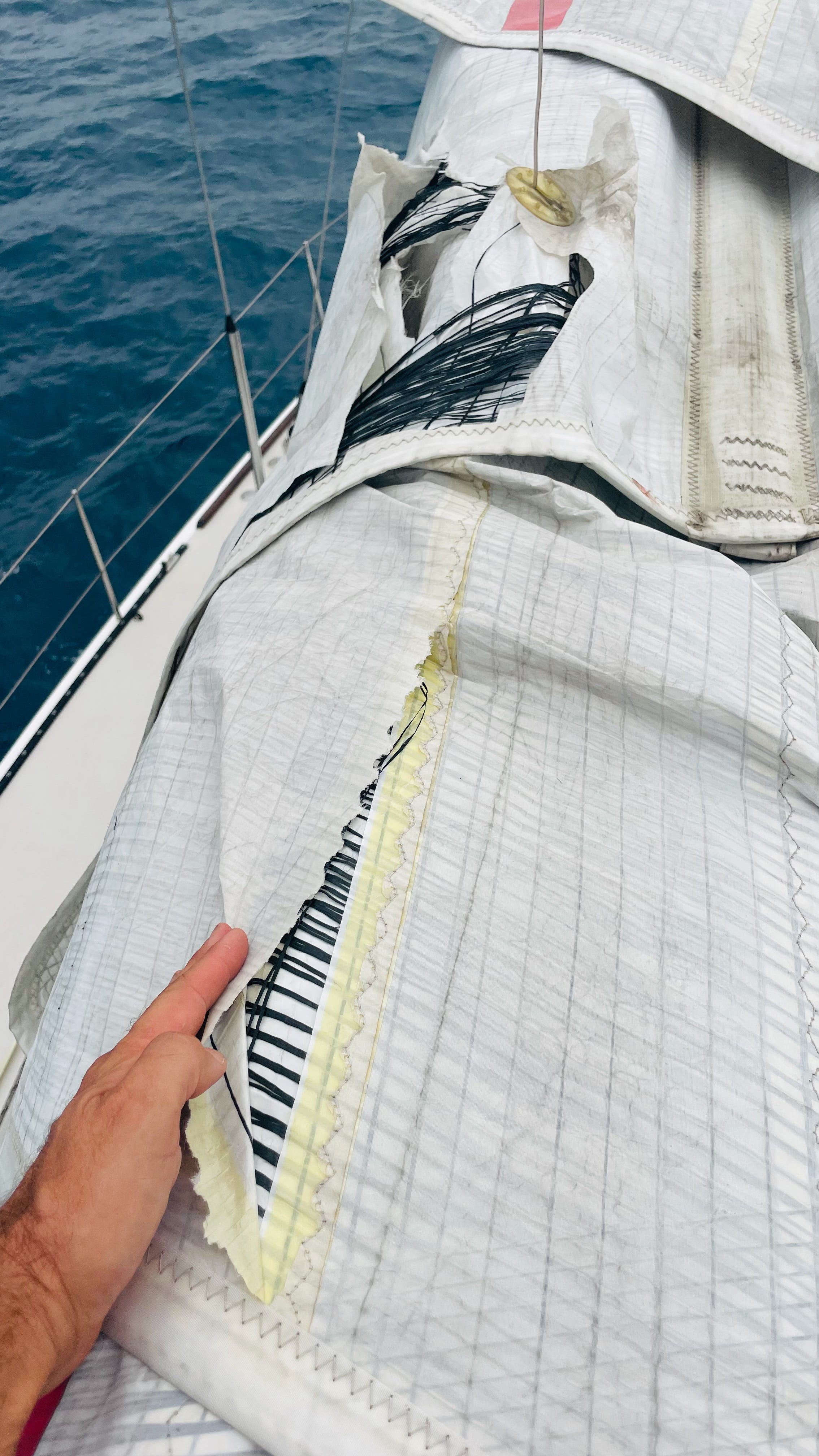
We came to realize that our sails were no longer safe to use from the damaging effects of UV exposure. We mostly have them covered when we aren’t using them but they were almost 20 years old. So it was time. We had ordered new sails to custom fit our boat 6 months prior and they were finally ready to be shipped. We were going to wait until we got to Cartagena so we could get them installed while at a marina. However, given this challenging passage, we decided it would be a lot safer to have sails we could trust. We put a rush on the shipping but the problem was getting them through customs and delivered to us, in a such a remote location, before our fast approaching departure date.
Luckily the sails made it to Panama City and they just needed to get through customs quickly enough so they could be delivered on time. We hired someone to pick them up to deliver them to us, but we still weren’t certain they would make it in time. So we had to wait and if we didn’t get them in time, we would have to miss this window with our friends and not have another one for a long while. We really didn’t want to miss it but through all the challenges we experienced regularly, we were learning to accept the circumstances we cannot change rather than resist them and suffer.
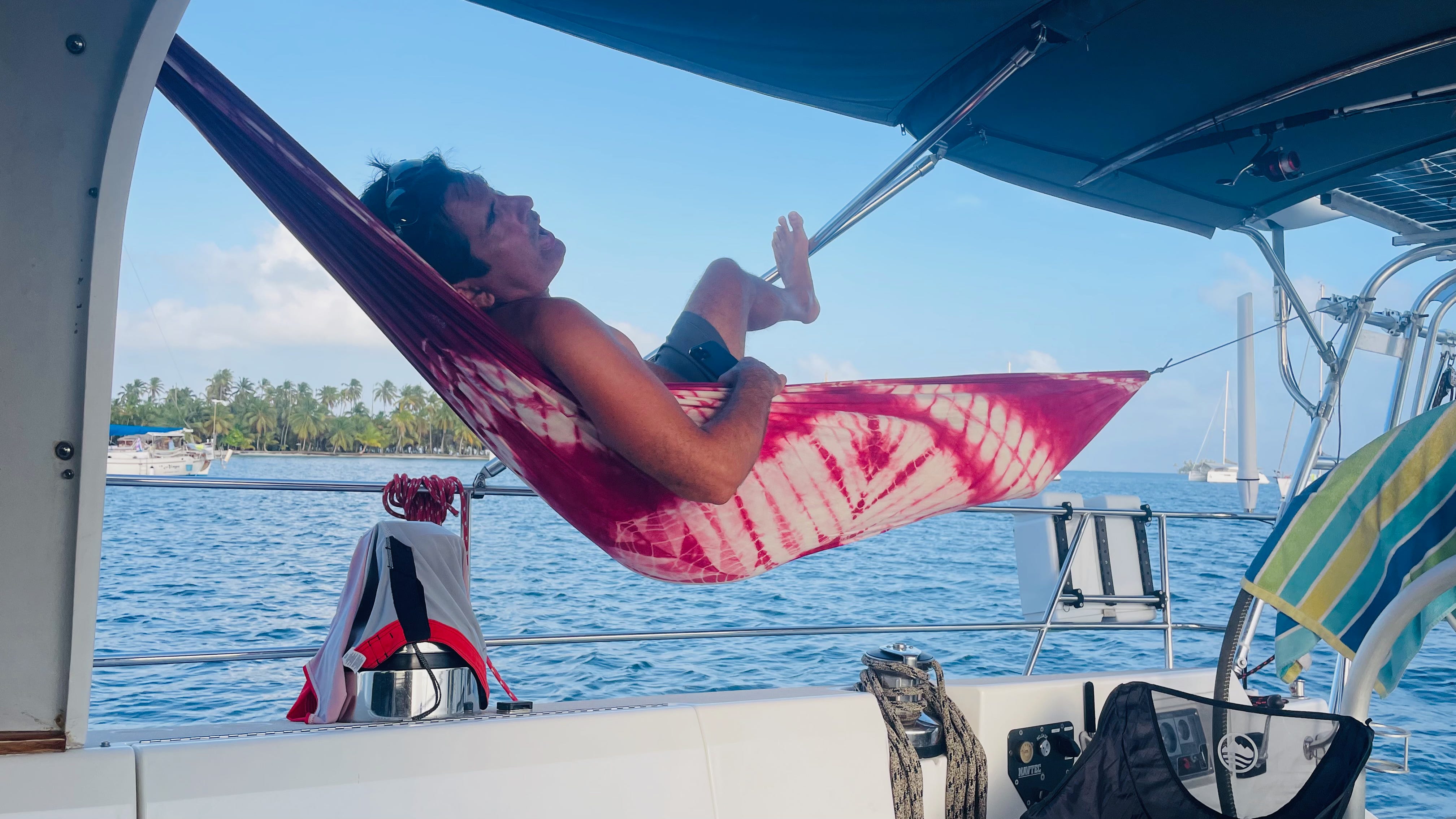
We waited almost the entire day, running out of things to do, and just as we started to think we would not get them in time, we saw a small boat approaching us which looked like it could be them. And indeed it was! They arrived in the nick of time. We were so relieved because we really wanted to leave with our friends as a fleet of boats which is safer than sailing on our own. We donated our old sails to our Guna friends who were very happy to put them to good use.
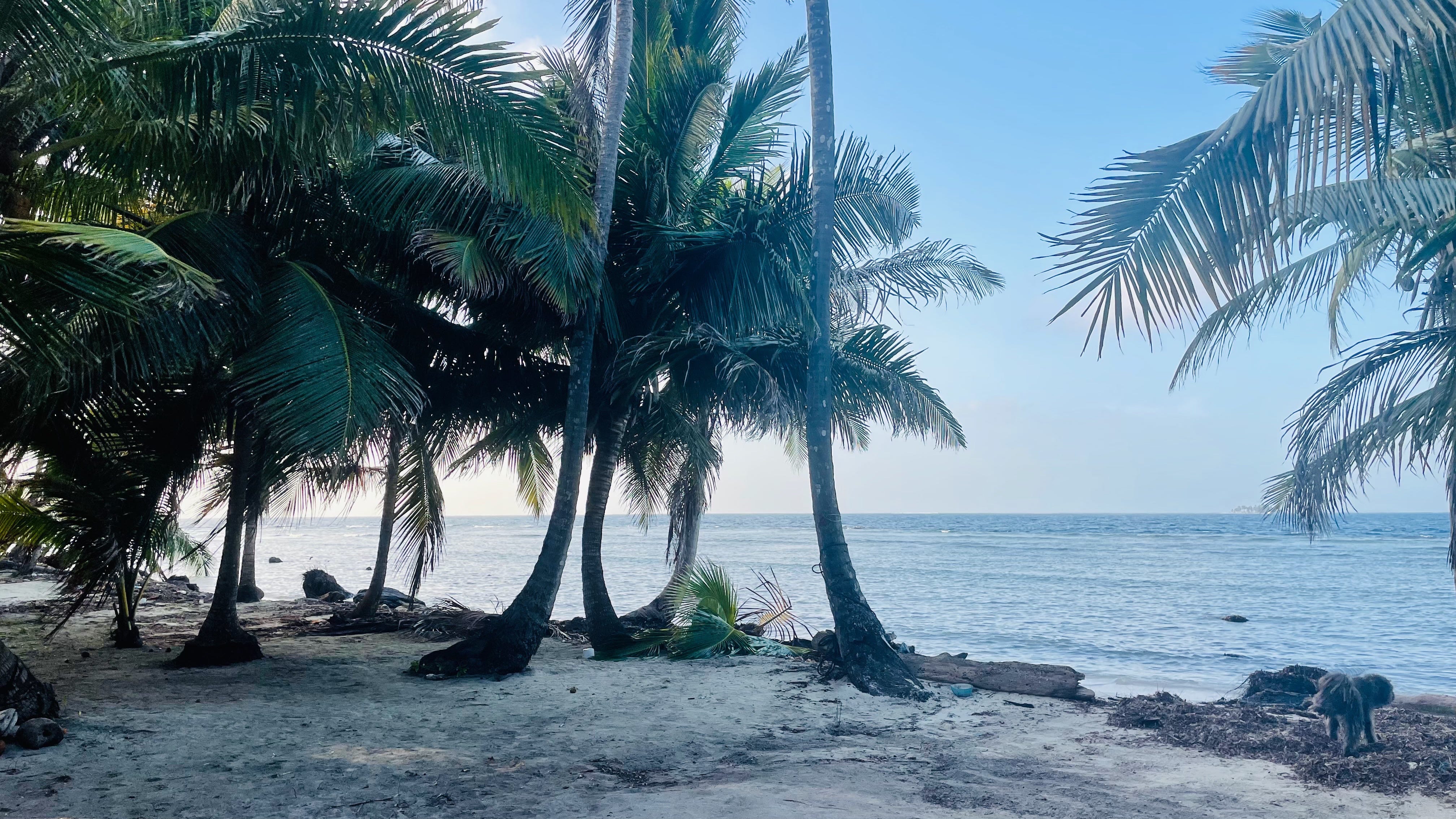
Once we got the sails, we quickly sailed over to Coco Banderas which was in the direction of our passage to anchor next to our friends so we could leave together in the morning. We still needed to get the Jib installed, but when we got there it was too windy for us to be able to do it. So we sailed back to where we came from and found a more sheltered anchorage. We could only install the new jib since the mainsail was fit for a stack pack and we currently had a dutchman, which are different systems for storing the sail on our boom.
A couple of the slower boats left that evening to get a head start since we would be sailing against a pretty a strong current. This window was only open for a couple of days. Since we’re fast, we decided to leave the following morning a few hours later than the rest knowing we would catch up and probably surpass most boats and we didn’t want to get too far ahead of everyone so we could all stay close enough together..
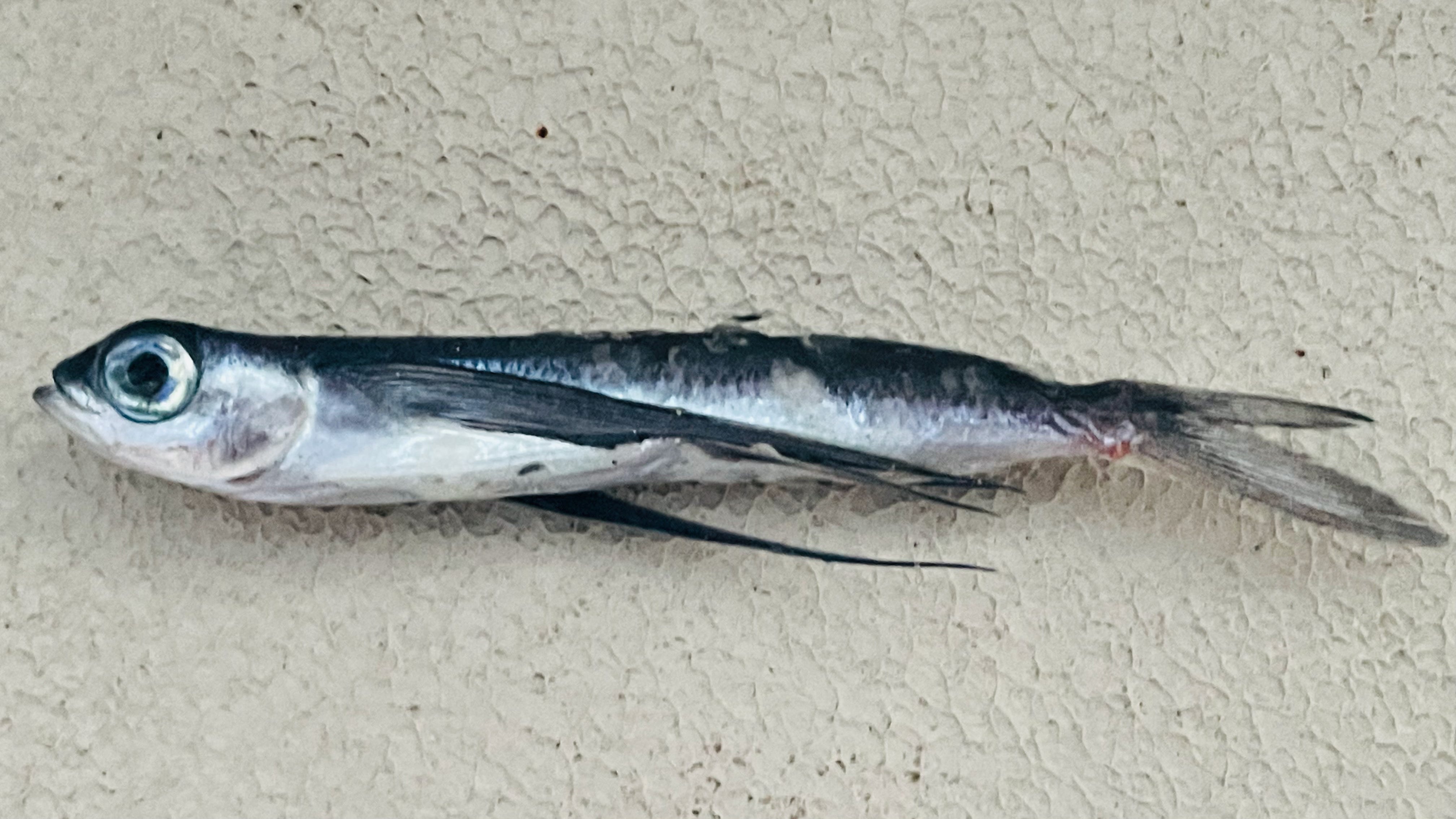
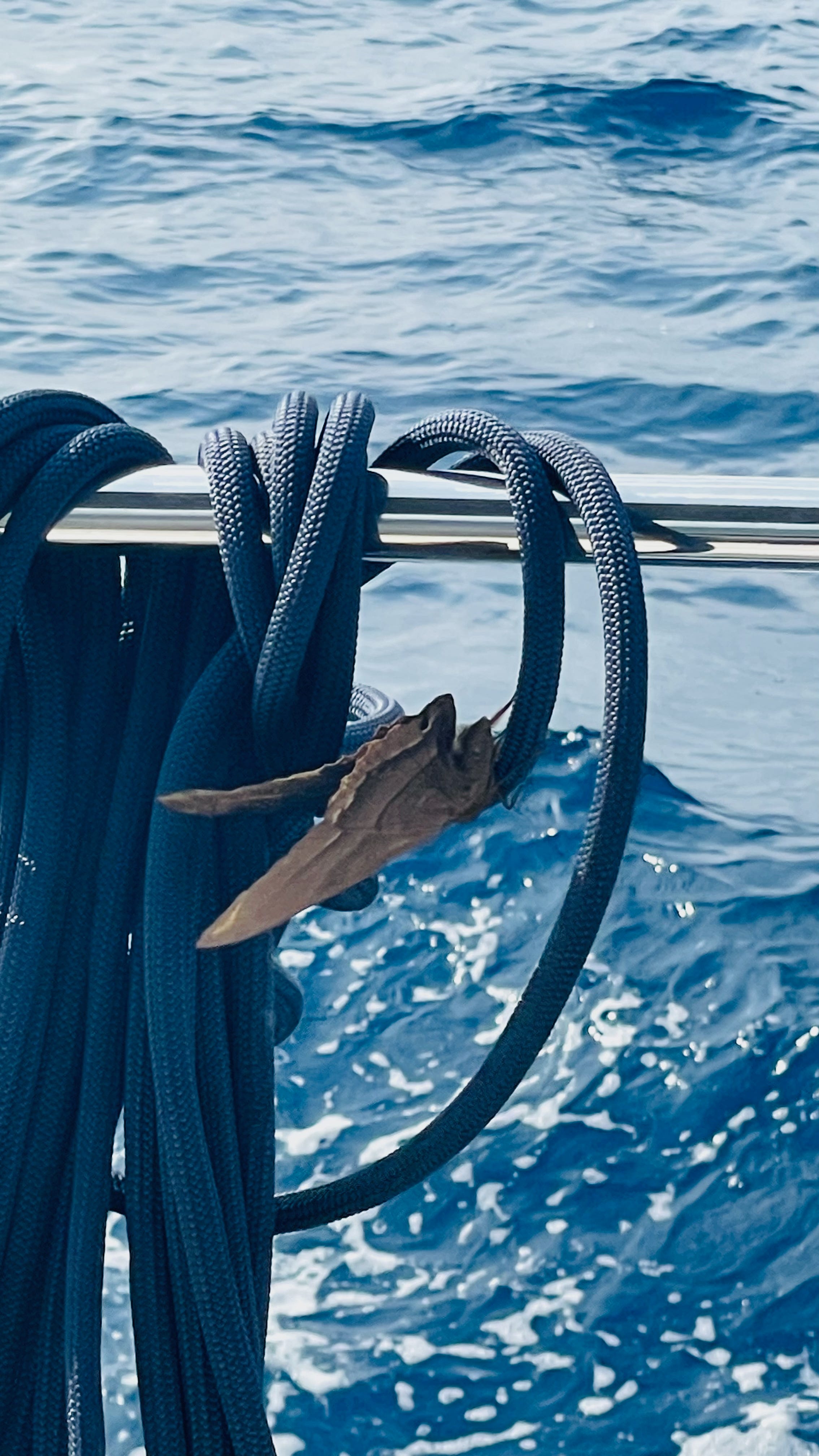
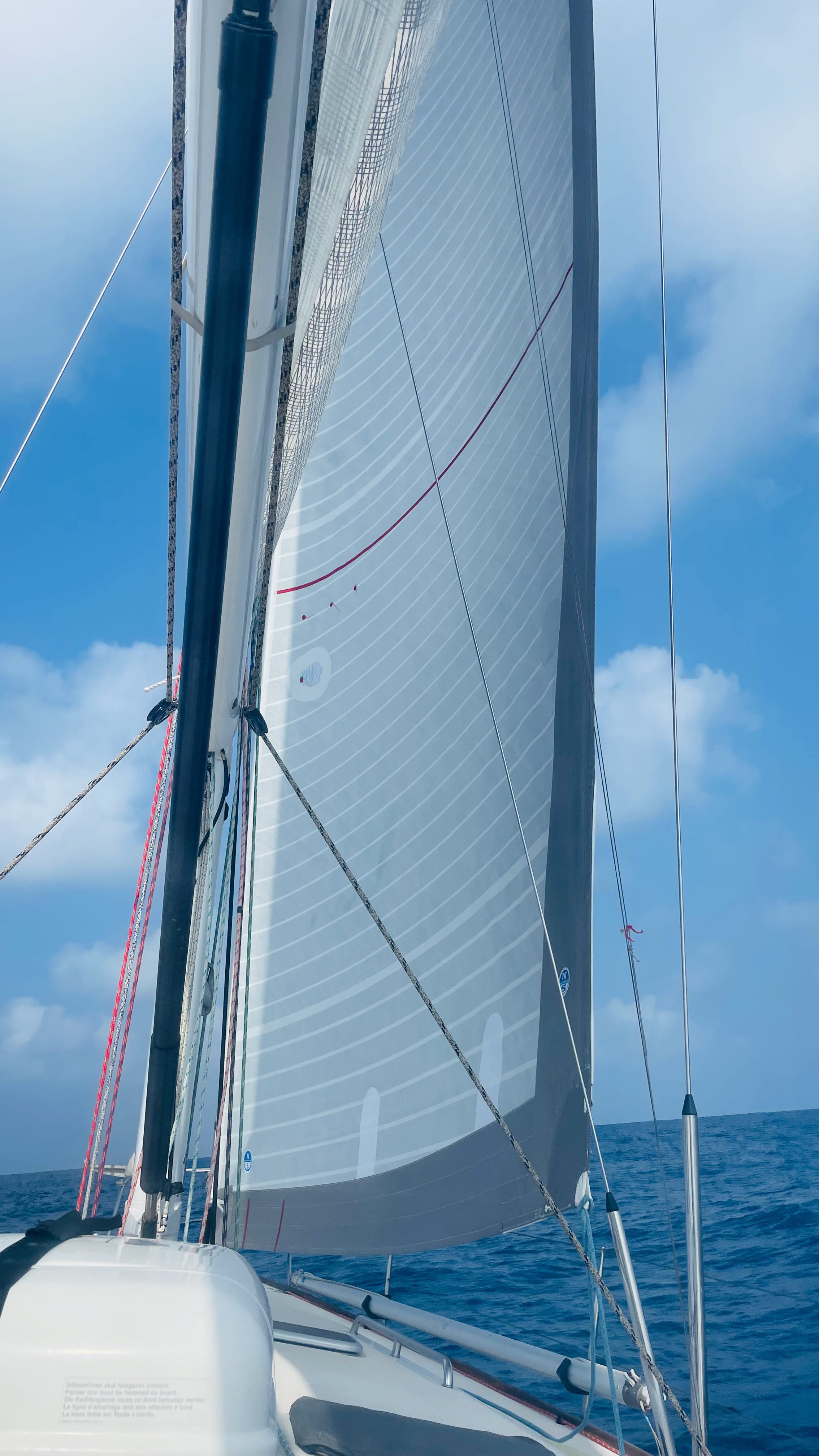
In this video you can see we were doing 8.7 knots when the average for most monohulls is around 6 to 7 knots. It was not a comfortable sail. The faster you sail, the harder the motion can be at times — occasionally the boat would launch off the top of a ten foot wave and fall into the trough behind it creating a really intense reverberation that was unsettling to say the least.
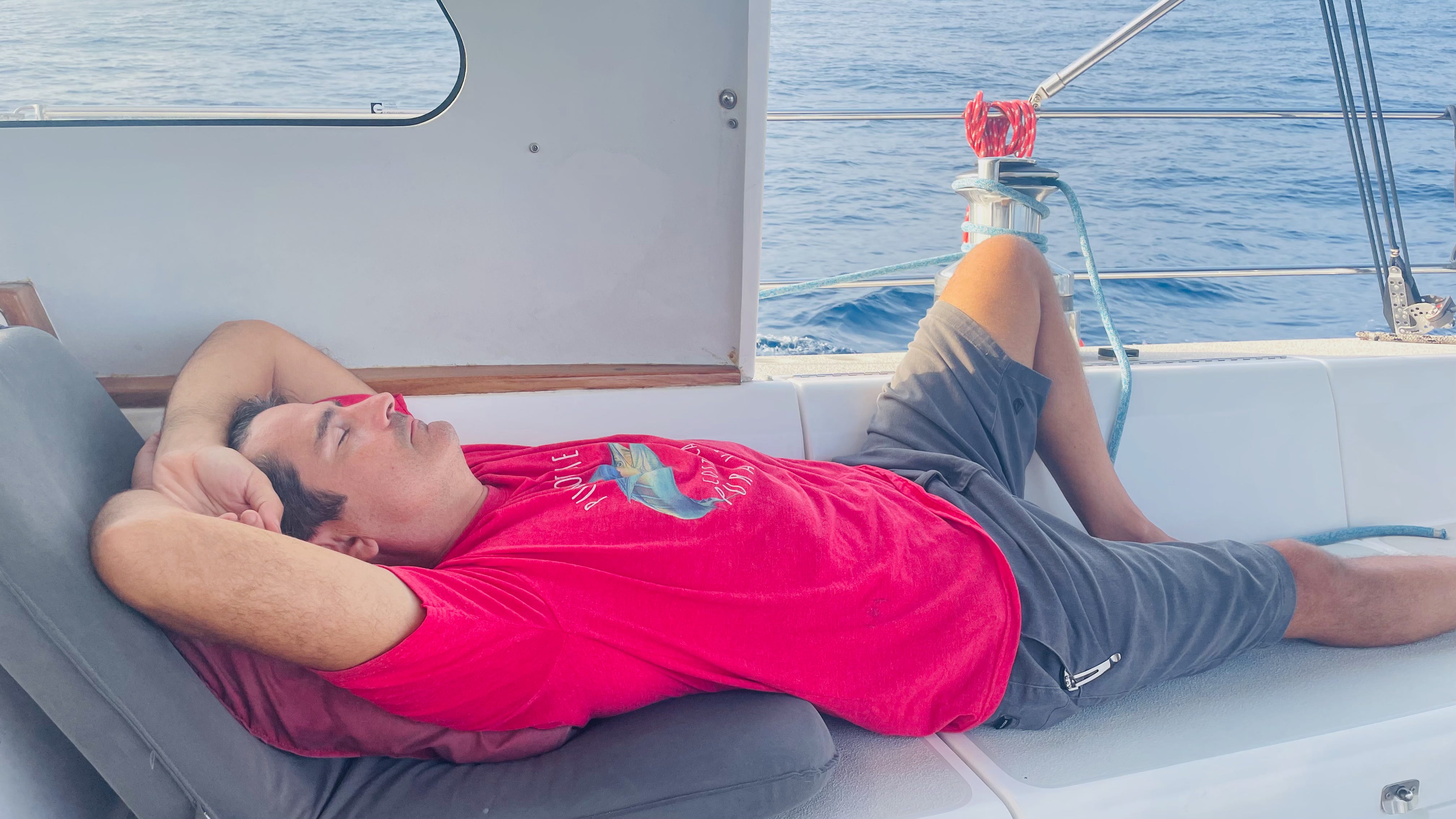
Peter ended up with some kind of stomach cramp, either from the relentless movement of the boat against the waves, or maybe from something he’d eaten. I was surprisingly feeling ok, so I took over his watch so he could relax a bit and sleep it off.
We sailed pretty fast and ended up passing all the other boats in the fleet except one, SV Via, who left over 12 hours ahead of us. We caught up to them before we got to our first stop which was Los Rosarios, a set of islands off the southern coast of Colombia, about an 8 hour sail north to Cartagena. Having a fast boat has a lot of positive benefits and getting through an uncomfortable passage more quickly was definitely one of them. We ended up waiting a couple of hours for the sun to come up before we would navigate the narrow entrance past some reef to the protected anchorage.
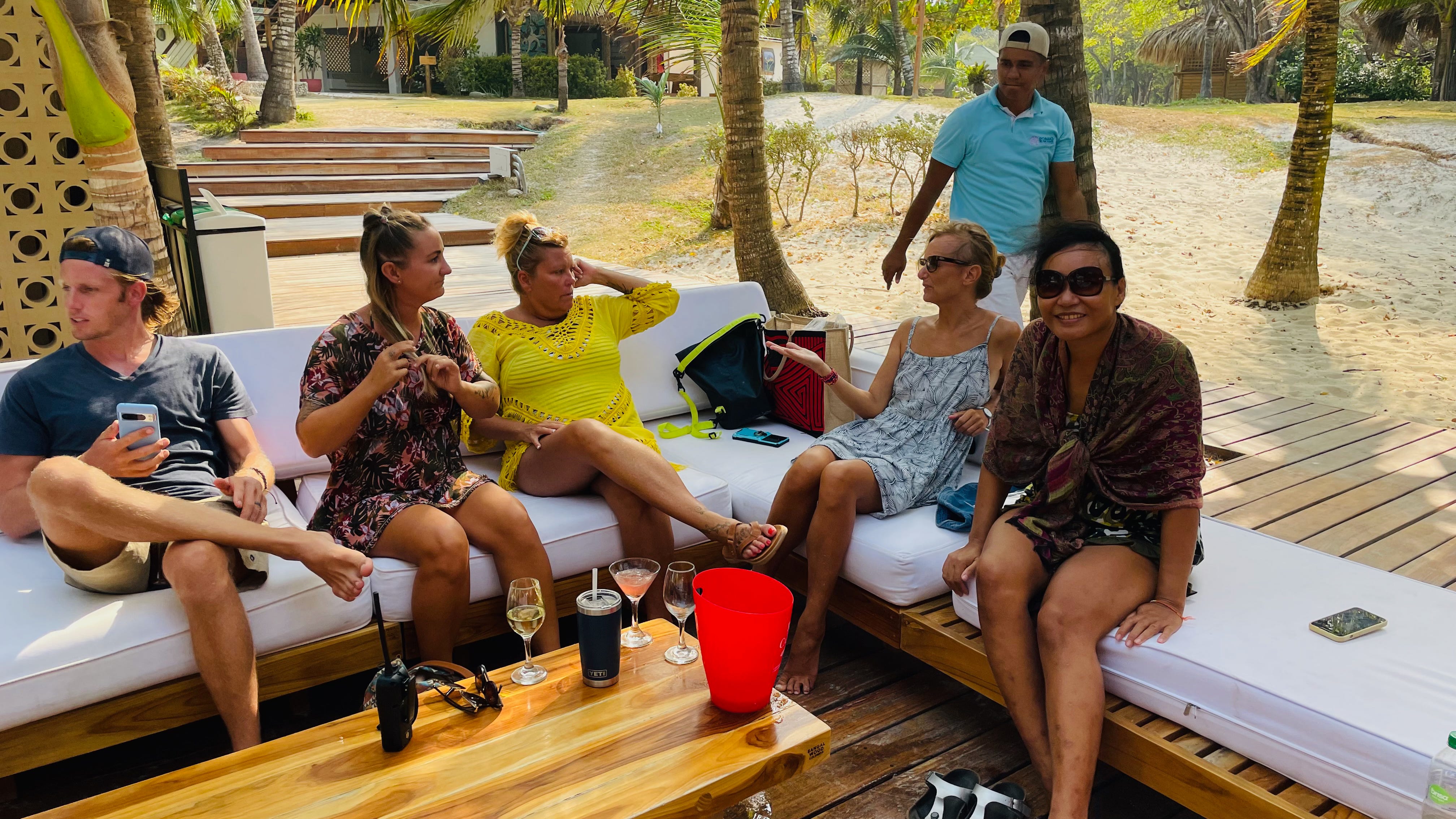
After a few days in the Rosarios, snorkeling on one of Pablo Escobar’s sunken planes and taking it easy, we got up early to finish our sail up the coast of Colombia to Cartagena. We were still nervous about the sea state but it turned out to be less of a beat into the waves than we expected. We were almost there!
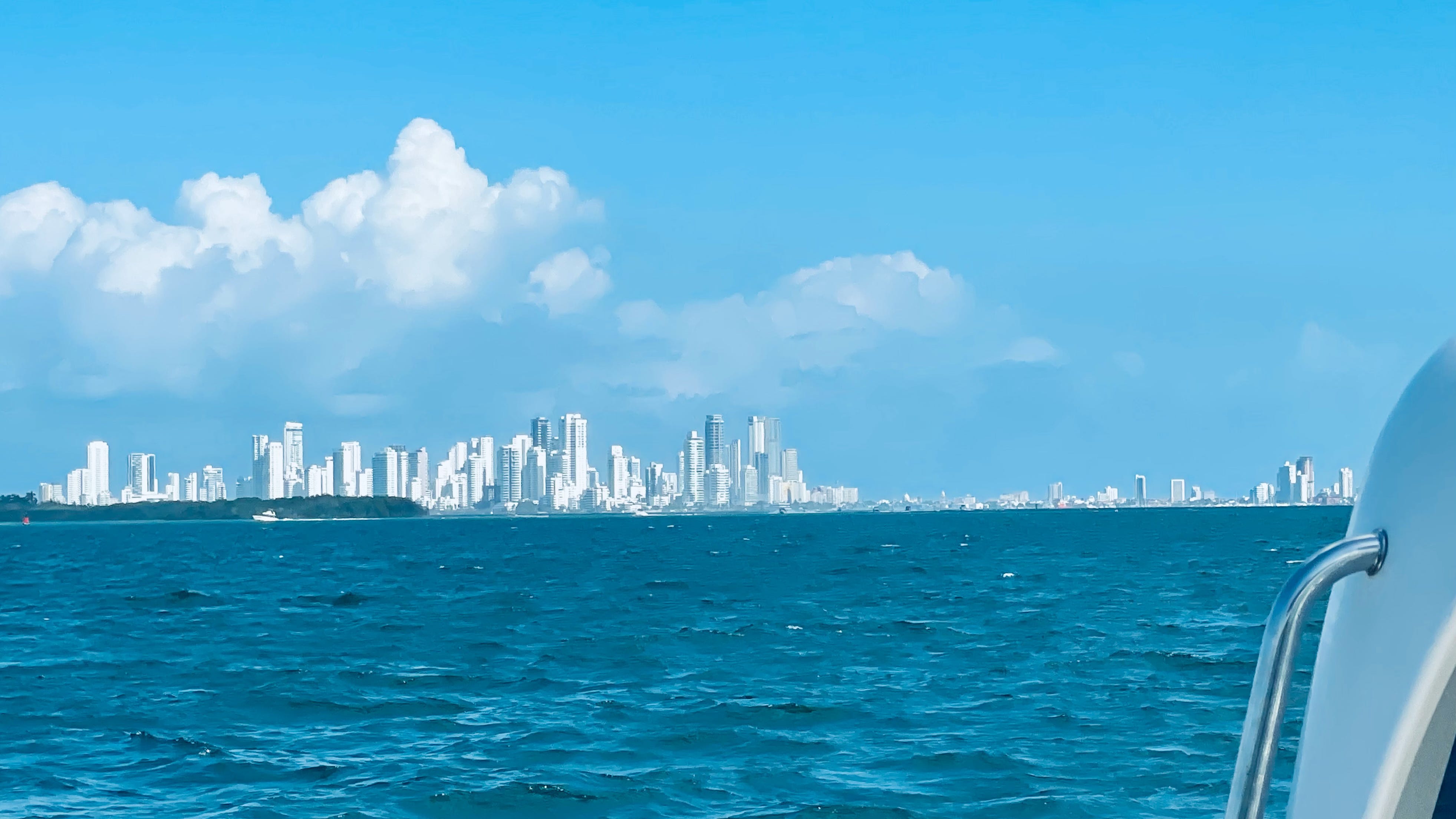
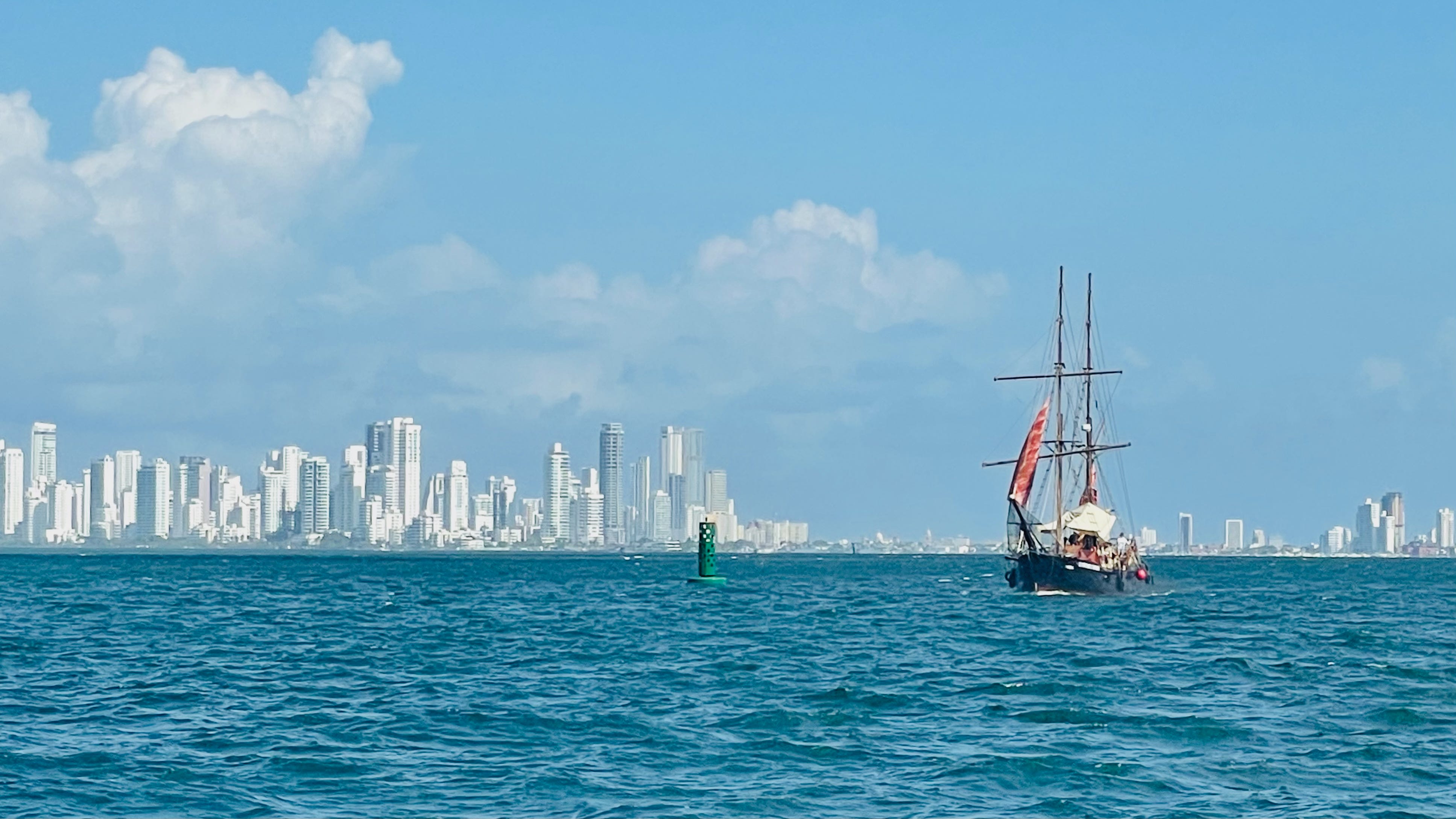
We all made it safely to our slips in Cartagena which was a huge win and a big relief. Getting into the slip was a different story because we had to back in against the wind and current and tie up to a couple of pilings. We were able to do it first with some help from people on the dock and then we helped others get into their slips. The wind and current made it challenging, and some boats (depending on the keel) needed to be guided into their slip by our friends with their dinghies. It really helps to have a posse of friends to lean on in these kinds of situations. Once we were all settled, we could relax and be still for a while. We were finally physically attached to land for the first time in months.
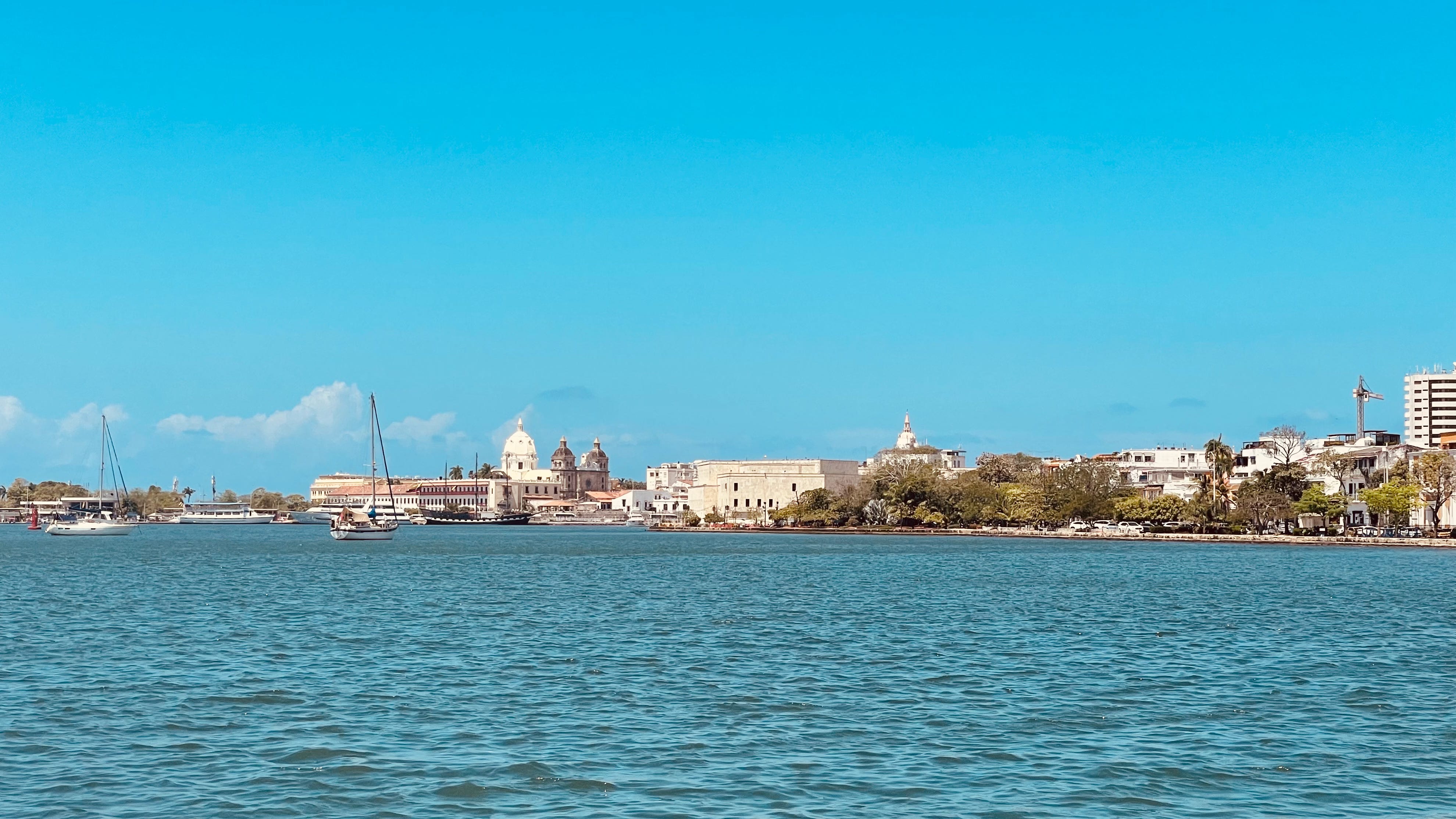
Even though it was sad to leave the tranquility of the San Blas islands, we were happy to be back to civilization! We had a huge list of boat projects that we could give to hired hands. Labor was inexpensive in Cartagena compared to most places we had been visiting. Plus we were about to start living in a bustling new city in a new country that we wouldn’t have sought to visit if we weren’t on this sailing adventure. We were excited to spend time discovering what Cartagena had to offer.
Sailing life has taught us a lot about trusting life’s perpetual flow. Yes things can go wrong, and sometimes they do, but as long as we remain conscious of our present moment experience, aware of everything happening around us and with our boat, we could trust we will find our way through it. We were nervous anticipating this passage, especially with our sails desperately needing to be replaced. It all worked out in the end. Through all of our adventures thus far, we’ve come to realize that we make it through our challenges big or small, time and time again.
Stay tuned as we share the magic of Cartagena before we sail to the ABC islands.
I'm glad the sail and departure worked out. I think sailing into 10-foot waves would freak me out, so kudos to you. My friend Aaron used to live in Cartagena years ago. Don't know how long you'll be there but you should hit him up if you want potentially outdated travel tips. ;)
glad to hear and see you're in good spirits ✨💙